Health
What Is Pharma Nephrology Outreach? A Guide to This Real Industry Practice

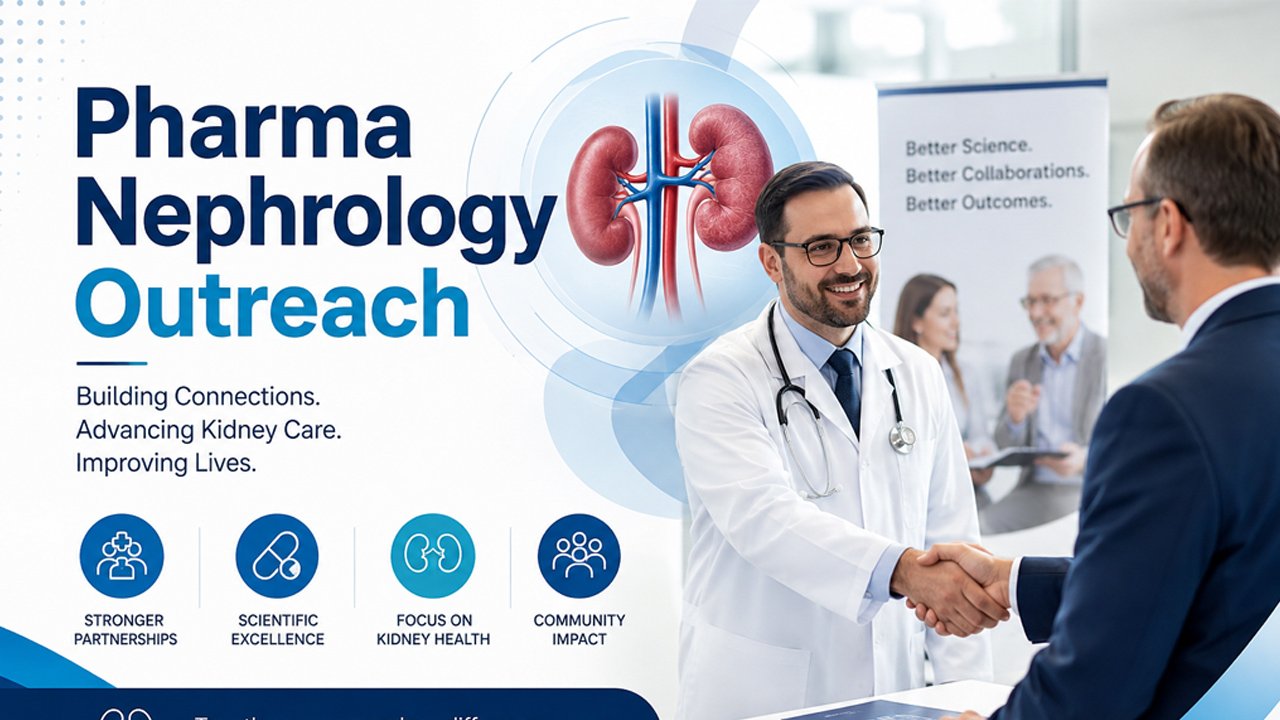
Pharma nephrology outreach refers to genuine, well-documented activities that pharmaceutical companies and related organizations conduct specifically targeting nephrology, the medical specialty focused on kidney disease, including physician education, clinical trial recruitment, and patient support programs connected to kidney-related treatments. This article covers what this outreach genuinely involves, why it exists as a distinct industry practice, and how to evaluate specific outreach programs or claims you might encounter.
What Does Pharma Nephrology Outreach Actually Involve?
Pharmaceutical companies engage with the nephrology field through several genuine, well-established channels: medical science liaisons who provide clinical and scientific information to nephrologists about specific treatments, continuing medical education programs that help kidney specialists stay current on emerging research and treatment options, clinical trial recruitment and site partnerships for testing new kidney disease treatments, and pharmacist or care-team outreach programs designed to improve treatment adherence and outcomes for patients with chronic kidney disease.
A genuine, peer-reviewed study published in JAMA Network Open specifically examined pharmacist outreach and its effect on SGLT2 inhibitor uptake among patients with diabetes and chronic kidney disease, illustrating the kind of real, evidence-based outreach activity that occurs within this space, distinct from purely promotional marketing.
Why Does Nephrology Specifically Receive This Kind of Industry Attention?
Chronic kidney disease affects a substantial and growing patient population globally, and the nephrology treatment field has seen genuinely significant recent innovation, including newer drug classes like SGLT2 inhibitors that were originally developed for diabetes but have demonstrated meaningful kidney-protective benefits. This kind of genuine clinical advancement creates real, legitimate need for physician education and care coordination outreach, since translating new clinical trial evidence into everyday nephrology practice takes deliberate, sustained effort across the healthcare system.
Organizations like the American Society of Nephrology maintain formal industry partnership programs, providing a legitimate, transparent structure through which pharmaceutical companies can support genuine research, education, and professional development within the nephrology field specifically.
What Distinguishes Legitimate Outreach From Purely Promotional Activity?
Legitimate pharma nephrology outreach typically involves transparent disclosure of pharmaceutical company involvement, adherence to established medical education standards separating promotional content from genuine clinical education, and a focus on evidence-based information rather than purely promotional messaging about a specific product. Contract research organizations like Fortrea, which specifically supports nephrology clinical trials, and pharmaceutical companies with dedicated nephrology divisions, such as Otsuka’s nephrology and immunology unit, represent genuine, established players within this legitimate industry structure.
This distinction matters because healthcare providers and patients alike benefit from being able to distinguish genuinely educational, evidence-based outreach from marketing content designed primarily to drive prescribing behavior without adequate clinical context.
How Should Healthcare Providers Evaluate Pharma Outreach Programs?
Checking whether a specific outreach program, educational session, or piece of clinical information discloses its pharmaceutical funding source clearly, whether it references peer-reviewed clinical evidence rather than purely promotional claims, and whether it comes through an established, accredited continuing medical education channel are all reasonable practices for nephrologists and other healthcare providers evaluating outreach they encounter. Professional standards bodies and accredited CME providers generally require this kind of transparency as a condition of accreditation specifically.
How Should Patients Evaluate Nephrology-Related Outreach or Support Programs?
Patients encountering pharmaceutical-sponsored patient support programs related to kidney disease treatment should look for clear disclosure of the sponsoring company, verify any specific medical claims with their own treating nephrologist, and understand that patient support programs, while sometimes genuinely helpful for medication access or adherence support, are also part of a company’s broader commercial strategy for its specific product. The National Kidney Foundation, an independent, patient-focused advocacy and education organization, provides a useful independent resource for kidney disease information not tied to any specific pharmaceutical company’s outreach program.
What Role Does Clinical Research Play in This Outreach Category?
Nephrology clinical trials represent a genuine and significant category of pharma-sponsored outreach, since developing new kidney disease treatments requires substantial patient recruitment, site coordination, and ongoing engagement with the nephrology research community specifically. Academic and community nephrology practices often partner directly with pharmaceutical sponsors or contract research organizations to participate in these trials, a well-established, heavily regulated process governed by clinical trial ethics standards and regulatory oversight from bodies like the FDA.
Patients considering participation in a nephrology clinical trial connected to this kind of outreach should specifically verify the trial’s registration on ClinicalTrials.gov, a genuine, government-maintained registry providing independent verification of a trial’s legitimacy, sponsor, and current recruitment status.
What Should You Do If You Encounter a Specific Outreach Claim You Can’t Verify?
If you come across a specific pharma nephrology outreach program, educational claim, or patient support offer that you can’t independently verify, checking directly with your own healthcare provider, the sponsoring company’s official website, or an independent, accredited source like the American Society of Nephrology before acting on any specific claim is a reasonable and sensible precaution. This is particularly important for any outreach involving a specific treatment recommendation, since genuine clinical decisions should always involve your own treating physician’s independent medical judgment.
How Does the Sunshine Act Affect Transparency in This Space?
In the United States, the Physician Payments Sunshine Act requires pharmaceutical and medical device companies to publicly report payments and other transfers of value made to physicians and teaching hospitals, a requirement that applies directly to nephrology outreach activities like speaker fees, consulting payments, and meals provided during educational events. This data is published through the Centers for Medicare and Medicaid Services’ Open Payments database, a genuine, publicly searchable government resource that lets patients, journalists, and researchers independently verify what financial relationships exist between a specific nephrologist and specific pharmaceutical companies.
This kind of mandatory public disclosure exists specifically because financial relationships between prescribers and pharmaceutical companies can influence prescribing behavior, even unintentionally, and transparency allows patients and oversight bodies to evaluate potential conflicts of interest rather than relying solely on self-reported disclosures from individual physicians or companies. Checking a specific nephrologist’s Open Payments record is a genuinely useful step for patients who want additional context about outreach or treatment recommendations they’ve encountered.
What Roles Do People Working in This Field Typically Hold?
Pharma nephrology outreach work spans several distinct professional roles: medical science liaisons, who typically hold advanced clinical or scientific degrees and serve as the primary scientific point of contact between a pharmaceutical company and treating nephrologists, clinical research associates who coordinate trial logistics at specific study sites, and market access or patient support specialists who help coordinate insurance coverage and treatment access questions for patients starting a new kidney disease therapy. Each of these roles operates under distinct professional and regulatory standards, and legitimate positions in this field are typically posted through established pharmaceutical companies’ own career pages or reputable healthcare recruiting platforms rather than generic third-party listings with vague job descriptions.
Anyone considering a career in this space, or evaluating whether a specific outreach representative they’ve encountered holds a genuine, verifiable professional role, can reasonably ask about the person’s specific credentials, employer, and professional licensing where applicable, since legitimate outreach professionals are generally willing and able to provide this kind of verifiable background information without hesitation or evasiveness.
This kind of straightforward credential verification is standard practice across regulated healthcare-adjacent fields generally, and a genuine outreach professional representing an established pharmaceutical company should never object to a reasonable, direct request for this basic information.
Conclusion
Pharma nephrology outreach is a genuine, well-established industry practice encompassing physician education, clinical trial recruitment, and patient support programs, reflecting real clinical advances in kidney disease treatment that require deliberate effort to translate into everyday practice. Healthcare providers and patients alike should evaluate specific outreach programs for transparent disclosure and evidence-based content, verifying any specific claims through independent, accredited sources before acting on them.
Frequently Asked Questions
Is pharma nephrology outreach a genuine, established industry practice?
Yes, it’s a real, well-documented set of activities including physician education, clinical trial recruitment, and patient support programs, conducted by pharmaceutical companies engaging specifically with the kidney disease treatment field.
What’s the difference between legitimate outreach and pure marketing?
Legitimate outreach transparently discloses pharmaceutical funding, references peer-reviewed evidence, and follows established medical education standards, while pure marketing may lack this transparency and evidence-based framing, especially around specific product claims.
Why has nephrology specifically seen increased industry outreach recently?
Genuine clinical advances, including newer drug classes like SGLT2 inhibitors showing kidney-protective benefits, have created real need for physician education to translate new evidence into everyday nephrology practice safely and quickly.
How can healthcare providers evaluate outreach programs they encounter?
Check for clear disclosure of pharmaceutical funding, references to peer-reviewed clinical evidence, and delivery through established, accredited continuing medical education channels rather than purely promotional content lacking genuine clinical context.
How can patients verify a nephrology clinical trial connected to industry outreach is legitimate?
Check the trial’s registration directly on ClinicalTrials.gov, a government-maintained registry that independently verifies a trial’s sponsor, legitimacy, and current recruitment status before you consider participating in any capacity whatsoever.


Haslhof Explained: The Real German and Austrian Villages Behind This Place Name

Gaymetu E: What This Gaming Community Site Publishes

Who Is Arabella Sezen Oz? The Fascinating Life Story of Dr. Mehmet Oz’s Daughter

Who Was Saul Consuelos? The Full Life Story of Mark Consuelos’ Father

Who Is Diane Addonizio? The Verified Facts About Howie Long’s Wife

What Does “Landslide” by Fleetwood Mac Actually Mean?

Who Is Jaisal Andrews? Inside the Life of Naveen Andrews’ Son

Who Is Kerri Browitt Caviezel? The Inspiring Life Story of Jim Caviezel’s Wife

Who Is Saffron Le Bon? The Untold Life Story of Benjamin Compston’s Wife

Who Is Sue Johnston? The Remarkable Life Story of Joel Palmentor’s Mother

Who Is Tanja Rosner? The Untold Life Story of Tate McRae’s Mother

Who Is Otelia Cox? The Remarkable Life Story of Tony Cox’s Wife
-
 Celebrity1 month ago
Who Is Jaisal Andrews? Inside the Life of Naveen Andrews’ Son
-
 Celebrity4 weeks ago
Who Is Kerri Browitt Caviezel? The Inspiring Life Story of Jim Caviezel’s Wife
-
 Celebrity4 weeks ago
Who Is Saffron Le Bon? The Untold Life Story of Benjamin Compston’s Wife
-
 Celebrity4 weeks ago
Who Is Sue Johnston? The Remarkable Life Story of Joel Palmentor’s Mother
-
 Celebrity4 weeks ago
Who Is Tanja Rosner? The Untold Life Story of Tate McRae’s Mother
-
 Celebrity3 weeks ago
Who Is Otelia Cox? The Remarkable Life Story of Tony Cox’s Wife
-

 Celebrity4 weeks ago
Who Is Amanda Redman? The Inspiring Life Story of Joan Redman’s Daughter
-

 Technology3 weeks ago
FintechZoom.io Explained: What to Verify Before Trusting This Site