Food
Picada Explained: The Genuine, Multiple Regional Meanings of This Culinary Term

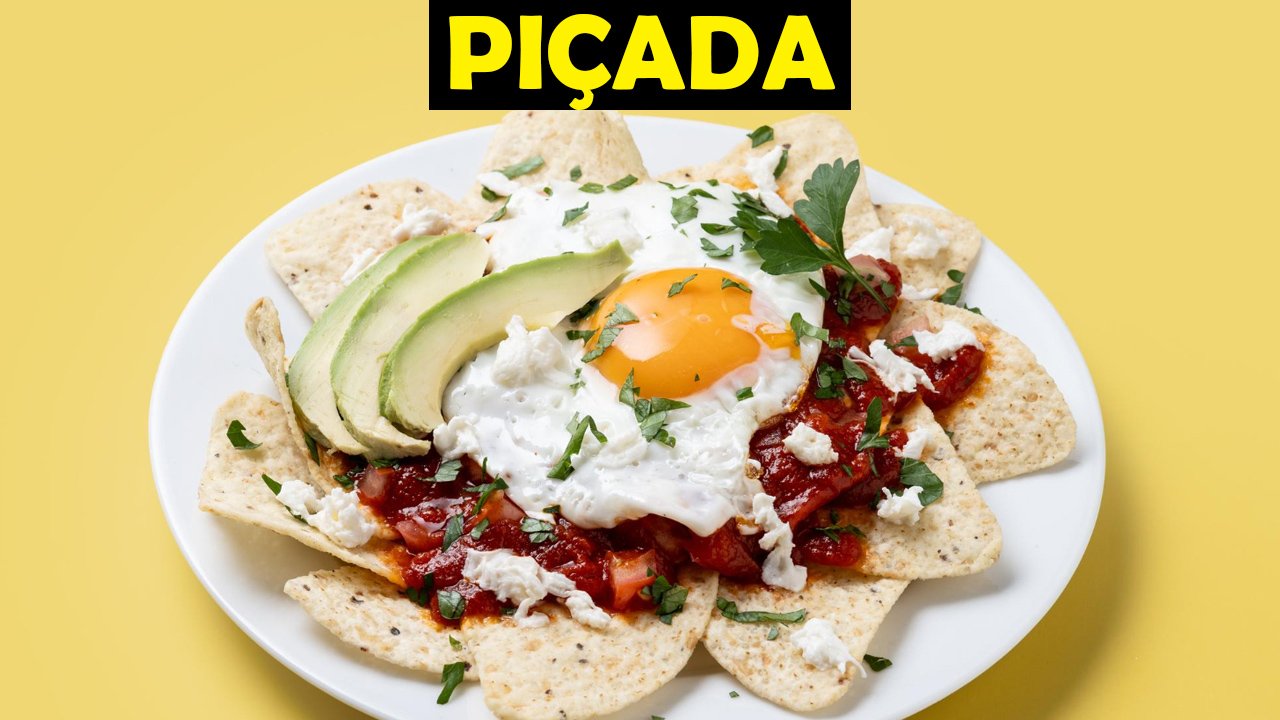
Picada is a real, well-documented culinary word carrying two genuinely distinct regional meanings rather than a single fixed definition: in Rioplatense cuisine, spanning Argentina and Uruguay, it refers to a shared cold-cuts and cheese appetizer platter, while in Catalan and Valencian cuisine, it describes a ground sauce and seasoning paste used to finish cooked dishes. This article covers both genuine meanings in detail, explains why the word varies so meaningfully by region, and offers honest guidance for exploring either version.
What Is Picada in Rioplatense Cuisine?
In Rioplatense cuisine, the culinary tradition shared across Argentina and Uruguay, picada refers to a shared appetizer platter featuring an assortment of cold cuts, cheeses, and accompaniments served before or alongside a main meal.
A typical picada includes cured meats like ham, salami, and pepperoni-style sausages, paired with cheeses such as blue cheese, pecorino, and parmesan, arranged together on a shared board or platter for a group to enjoy.
The platter is commonly accompanied by dips, olives, nuts, and bread, creating a substantial, social appetizer course that’s frequently served during gatherings, before barbecues, or as a casual meal in its own right.
This version of picada functions similarly to a European charcuterie board or antipasto spread, emphasizing shared, communal eating rather than individual portions, a social dining tradition deeply embedded in Argentine and Uruguayan culture.
What Is Picada in Catalan and Valencian Cuisine?
In Catalan and Valencian cuisine, picada refers to something entirely different: a ground sauce or seasoning paste, traditionally made by pounding almonds, bread, garlic, and sometimes saffron or herbs together in a mortar and pestle.
This paste is typically added toward the end of cooking a dish, meats, fish, rice preparations, or soups, functioning to thicken the cooking liquid, deepen flavor, and bind the dish’s various elements together in its final stages.
Picada in this culinary tradition is considered a foundational technique in Catalan and Valencian cooking, appearing across numerous classic regional dishes as a finishing touch that distinguishes home-style and traditional preparations from simpler versions.
Unlike the Rioplatense version, this picada isn’t a standalone dish or platter at all, it’s an ingredient and technique integrated directly into the cooking process of another dish entirely.
What Is Picada in Colombian Cuisine?
Colombian cuisine also features its own distinct picada, referring to a dish of chopped, grilled meats, commonly including chicharrón, chorizo, and beef, served together with fried plantains, arepas, and dipping sauces.
This Colombian version shares some conceptual similarity with the Rioplatense platter tradition, a shared, substantial dish meant for group eating, but features grilled and fried components rather than cured cold cuts and cheese specifically.
Colombian picada is commonly found at casual restaurants and street food stalls, often served on a large shared plate meant to be eaten with your hands, reflecting its role as a social, informal dining tradition.
Why Does the Same Word Carry Such Different Meanings?
Picada derives from the Spanish and Catalan verb “picar,” meaning to chop, mince, or pound, a root meaning that connects loosely to all three regional versions despite their otherwise quite different final forms.
The Catalan sauce is “picada” because its ingredients are pounded together in a mortar. The Rioplatense and Colombian dishes involve chopped or prepared components arranged together, connecting back to this same root meaning in a looser, more general sense.
This kind of regional divergence from a shared linguistic root is a well-documented, genuinely common pattern across Spanish-speaking and Catalan-speaking culinary traditions, where a single word can describe meaningfully different dishes or techniques depending on the specific region.
Recognizing this pattern helps explain why picada isn’t a case of confusion or fabrication, unlike some other terms covered elsewhere, but a genuine example of authentic regional culinary divergence from a shared linguistic origin.
How Can You Try Making a Rioplatense-Style Picada?
Assembling a Rioplatense-style picada at home involves selecting a variety of cured meats and cheeses, arranging them attractively on a large board or platter alongside olives, nuts, and crusty bread for a genuinely accessible starting point.
Common accompaniments include sun-dried tomatoes, marinated vegetables, and simple dips, allowing for considerable flexibility based on what’s available locally, since the tradition emphasizes variety and shared enjoyment over strict standardization.
This version of picada is genuinely well-suited to home preparation without specialized technique, since it’s fundamentally an assembly of quality ingredients rather than a cooked dish requiring particular culinary skill.
How Can You Try Making a Catalan-Style Picada?
Making a traditional Catalan picada involves toasting almonds and bread lightly, then pounding them together in a mortar with garlic, parsley, and sometimes saffron until a coarse, fragrant paste forms.
This paste is typically stirred into a dish during its final cooking stages, a stew, a rice dish, a seafood preparation, where it thickens the sauce and adds a distinctive nutty, aromatic depth of flavor.
This version requires more specific technique and ingredients than the Rioplatense platter, reflecting its role as a genuine cooking method rather than an assembled appetizer spread.
What Should You Check Before Trusting Content About Picada?
Checking which specific regional tradition a source is discussing, Rioplatense, Catalan and Valencian, or Colombian, is a reasonable first step given how genuinely different these three meanings are from one another. Wikipedia’s entry on Picada in Rioplatense cuisine documents this specific regional tradition in detail.
Recognizing that all three meanings are genuinely documented and legitimate, rather than one being more “correct” than the others, helps avoid unnecessary confusion when researching the term further. Wikipedia’s entry on Picada in Colombian cuisine documents the Colombian tradition specifically.
Being aware that a single search for “picada” might surface content about any of these three distinct culinary traditions is a useful practical habit for anyone researching the term for a specific regional purpose.
How Does This Case Compare to Other Regionally Varied Culinary Terms?
Picada’s pattern, one word carrying multiple genuine, well-documented regional meanings connected by a shared linguistic root, is a common and entirely legitimate feature of Spanish-speaking and Catalan-speaking culinary traditions specifically.
Similar patterns appear across other culinary terms that vary meaningfully by region, reflecting the genuine diversity of Spanish-speaking and related culinary cultures across different countries and historical linguistic traditions.
Recognizing this pattern as a feature of authentic culinary diversity, rather than confusion or error, is a useful, respectful framework for approaching other similarly regionally varied food terms you might encounter.
What Broader Lesson Does This Case Offer?
A single culinary word carrying multiple genuine regional meanings reflects authentic cultural and linguistic diversity, not confusion or unreliable content, distinguishing this case clearly from fabricated or contradictory terms covered elsewhere.
Readers benefit from checking which specific regional tradition a source discusses when researching a term like picada, rather than assuming a single universal definition applies across all Spanish-speaking or Catalan-speaking cultures.
How Should You Approach Learning About Any Regionally Varied Food Term?
Approaching any regionally varied food term with genuine curiosity about each distinct tradition, rather than searching for one single “correct” definition, is the most respectful and accurate way to explore this kind of culinary diversity.
Start by identifying the specific region or cuisine you’re interested in, then seeking out sources that specifically address that regional tradition rather than a generic, possibly conflated overview.
Trying an authentic recipe from a source specifically focused on the regional tradition you’re interested in provides a more genuine, accurate introduction than a generic overview attempting to cover all versions at once.
Why Does This Pattern Matter Beyond This Specific Term?
Regionally varied culinary terms appear across many Spanish-speaking, Catalan-speaking, and broader Latin American and European culinary traditions, making the approach covered here broadly useful beyond just this specific word.
Recognizing genuine regional culinary diversity, rather than assuming a single universal meaning, helps readers appreciate the richness of these traditions rather than flattening them into a single oversimplified definition.
What Should You Take Away From This Overall?
Picada genuinely carries three distinct regional meanings: a Rioplatense cold-cuts and cheese platter, a Catalan and Valencian ground sauce technique, and a Colombian grilled-meats sharing dish, each authentically documented within its own culinary tradition.
Readers exploring the term are well served identifying which specific regional version interests them and seeking sources focused on that particular tradition for the most accurate, respectful introduction.
What Ingredients Define Each Version of Picada?
Rioplatense picada relies almost entirely on cured, ready-to-eat ingredients, cold cuts, aged cheeses, olives, and bread, meaning no cooking is actually required to assemble a genuinely satisfying version of this platter at home.
Catalan picada relies instead on raw or lightly toasted pantry staples, almonds, bread, garlic, and occasionally saffron, pounded together into a paste that only becomes a finished component once stirred into another dish entirely.
Colombian picada centers on grilled and fried proteins, chicharrón, chorizo, and beef, paired with starchy sides like plantains and arepas, requiring active cooking rather than simple assembly or pounding.
These three ingredient profiles, ready-to-eat cured foods, pounded raw pantry staples, and grilled proteins, illustrate just how differently a single word can manifest depending on which regional culinary tradition is actually being discussed.
How Do Home Cooks in Each Region Typically Serve Picada?
In Argentina and Uruguay, picada is typically served before a main meal or barbecue, functioning as a social warm-up course meant to be shared slowly among family and friends before heavier food arrives.
In Catalan and Valencian households, picada rarely appears on its own at the table, since it’s stirred directly into rice dishes, stews, or seafood preparations rather than served as a standalone course for guests.
In Colombia, picada frequently appears at celebrations, weekend gatherings, and street food stalls, served as a substantial, hands-on shared plate meant to anchor a casual, informal meal rather than precede one.
Noticing these different serving contexts, a starter course, a cooking ingredient, and a main shared dish, reinforces just how genuinely distinct these three regional traditions remain despite sharing the exact same underlying word.
One Final Note on Approaching a Term Like This
Curiosity about a word that seems to carry conflicting meanings is entirely reasonable, and satisfying that curiosity responsibly simply means checking which specific regional tradition a given source is actually describing.
This same closing habit, identifying the specific region before assuming a single universal meaning, is worth carrying into any future encounter with a culinary term that genuinely varies across different Spanish-speaking or Catalan-speaking traditions.
Conclusion
Picada genuinely carries three distinct, authentic regional meanings, a Rioplatense cold-cuts platter, a Catalan sauce-making technique, and a Colombian grilled-meats dish, each legitimately documented within its own culinary tradition and connected loosely through a shared linguistic root. Readers exploring the term are best served identifying which specific regional version interests them before seeking out recipes or further reading.
Frequently Asked Questions
What does picada mean in Argentina and Uruguay?
It refers to a shared appetizer platter of cold cuts, cheeses, and accompaniments like olives and bread, commonly served during gatherings or before a main meal in Rioplatense cuisine overall.
What does picada mean in Catalan cuisine?
It’s a ground sauce made by pounding almonds, bread, and garlic together, added during a dish’s final cooking stages to thicken sauces and deepen flavor in traditional Catalan cooking today.
What does picada mean in Colombia?
It’s a shared dish of chopped, grilled meats served with fried plantains and arepas, commonly found at casual restaurants and street food stalls throughout Colombia’s culinary culture overall today still.
Why does picada have such different meanings across regions?
All three meanings connect loosely to the Spanish and Catalan verb “picar,” meaning to chop or pound, reflecting genuine regional culinary divergence from a shared linguistic root over time still.
Is one meaning of picada more correct than the others?
No, all three regional meanings are genuinely documented and legitimate within their own culinary traditions, reflecting authentic cultural diversity rather than one version being more accurate than another overall today.


Haslhof Explained: The Real German and Austrian Villages Behind This Place Name

Gaymetu E: What This Gaming Community Site Publishes

Who Is Arabella Sezen Oz? The Fascinating Life Story of Dr. Mehmet Oz’s Daughter

Who Was Saul Consuelos? The Full Life Story of Mark Consuelos’ Father

Who Is Diane Addonizio? The Verified Facts About Howie Long’s Wife

What Does “Landslide” by Fleetwood Mac Actually Mean?

Who Is Jaisal Andrews? Inside the Life of Naveen Andrews’ Son

Who Is Kerri Browitt Caviezel? The Inspiring Life Story of Jim Caviezel’s Wife

Who Is Saffron Le Bon? The Untold Life Story of Benjamin Compston’s Wife

Who Is Sue Johnston? The Remarkable Life Story of Joel Palmentor’s Mother

Who Is Tanja Rosner? The Untold Life Story of Tate McRae’s Mother

Who Is Otelia Cox? The Remarkable Life Story of Tony Cox’s Wife
-
 Celebrity1 month ago
Who Is Jaisal Andrews? Inside the Life of Naveen Andrews’ Son
-
 Celebrity4 weeks ago
Who Is Kerri Browitt Caviezel? The Inspiring Life Story of Jim Caviezel’s Wife
-
 Celebrity4 weeks ago
Who Is Saffron Le Bon? The Untold Life Story of Benjamin Compston’s Wife
-
 Celebrity4 weeks ago
Who Is Sue Johnston? The Remarkable Life Story of Joel Palmentor’s Mother
-
 Celebrity4 weeks ago
Who Is Tanja Rosner? The Untold Life Story of Tate McRae’s Mother
-
 Celebrity3 weeks ago
Who Is Otelia Cox? The Remarkable Life Story of Tony Cox’s Wife
-

 Celebrity4 weeks ago
Who Is Amanda Redman? The Inspiring Life Story of Joan Redman’s Daughter
-

 Technology3 weeks ago
FintechZoom.io Explained: What to Verify Before Trusting This Site