Food
Best Sopa Criolla Near Me: What This Dish Actually Is

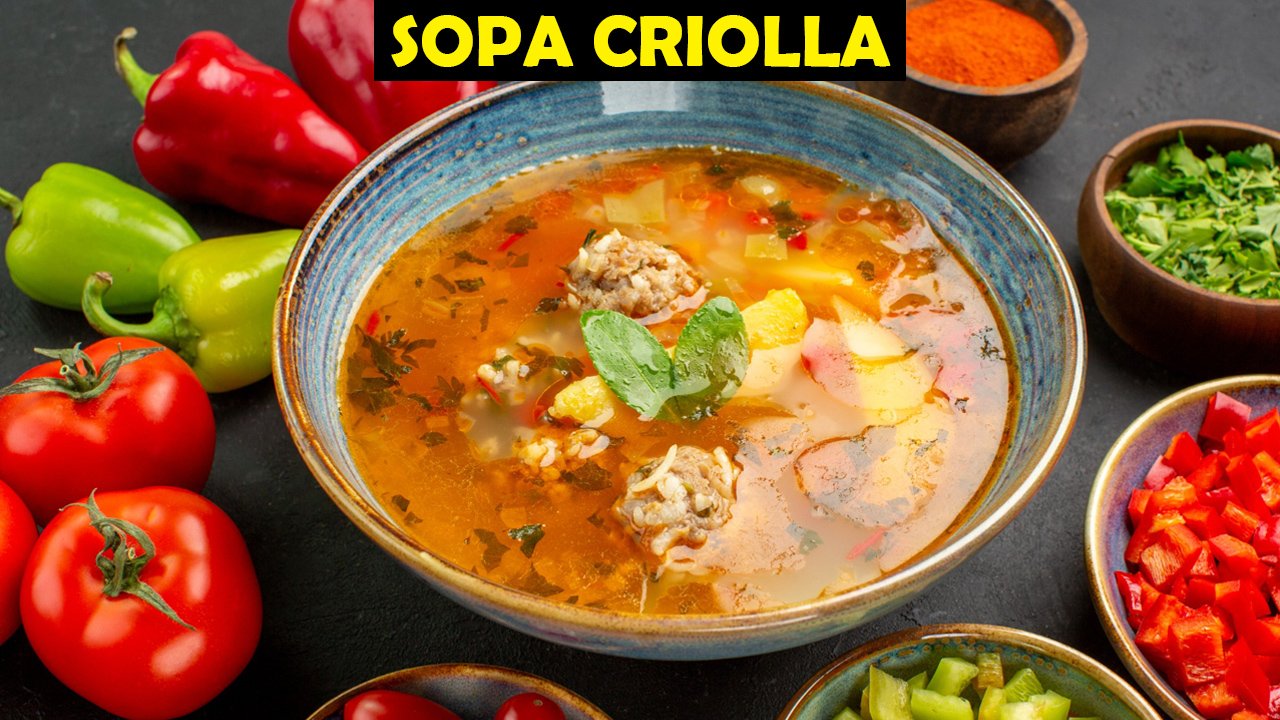
Sopa criolla is a traditional Peruvian comfort soup built around a tomato-based beef broth, thin angel-hair pasta, sliced hot dog or beef, a splash of evaporated milk, and often a poached or lightly beaten egg stirred gently in near the end of cooking, making it a genuinely distinctive dish rather than interchangeable with the similarly named but quite different “sopa correntina” found in parts of Argentina. Rather than pointing to specific restaurant listings this article can’t verify for your exact location, this guide covers what makes an authentic version genuinely distinct, why the name varies so much by country, and how to prepare it yourself at home.
What Is Sopa Criolla, Specifically?
The dish most commonly documented under the name “sopa criolla” is a Peruvian creole beef and angel-hair noodle soup, built on a tomato-based broth typically flavored with garlic, onion, and a touch of ground achiote or paprika for color, combined with thin angel-hair pasta, sliced beef or hot dog, and finished with a splash of evaporated milk that gives the broth a distinctive light creaminess without ever becoming a full, heavy cream soup. Many traditional versions also incorporate a lightly poached or stirred-in egg near the end of cooking, adding richness and body to the finished dish before it’s ladled hot into bowls for serving.
This specific combination, tomato broth, angel-hair pasta, evaporated milk, and often egg, is what distinguishes genuine Peruvian sopa criolla from other soups that might share superficial similarities, and recognizing these specific ingredients is the clearest way to identify an authentic version whether you’re cooking it yourself or evaluating a restaurant’s specific preparation of the dish. Some family versions also add a small amount of diced potato or a pinch of ground cumin, reflecting genuine household variation within the broader traditional recipe.
Why Does the Name “Sopa Criolla” Refer to Different Dishes in Different Countries?
“Criolla” broadly translates to “creole” and generally references dishes reflecting a country’s own blended culinary heritage, a descriptive term used across multiple distinct Latin American culinary traditions rather than referring to one single, universal recipe everywhere. In Peru specifically, “sopa criolla” refers to the tomato-based beef and noodle soup described above, well documented consistently across Peruvian cookbooks and restaurant menus nationwide. In parts of Argentina, particularly the Corrientes region, a different dish sometimes discussed under related naming, “sopa correntina,” refers to a distinct cornbread-based casserole-style dish rather than a beef noodle soup at all.
Understanding this regional naming variation matters specifically because searching generically for “sopa criolla” without country context could return information about genuinely different dishes entirely, making it worth confirming which specific regional tradition you’re actually interested in before evaluating a restaurant or attempting a recipe at home.
How Can You Tell If a Restaurant’s Peruvian Sopa Criolla Is Made Authentically?
The clearest signals of an authentically prepared Peruvian sopa criolla include a genuinely tomato-forward broth base rather than a plain, clear beef broth, the specific use of thin angel-hair pasta rather than a different noodle shape, and the characteristic light creaminess from evaporated milk without the dish becoming a heavy cream-based soup. The presence of a poached or stirred-in egg, while not universal across every family’s version, is a traditional element worth looking for as a sign of a more complete, traditional preparation.
Restaurants specifically identifying as Peruvian, rather than general Latin American restaurants offering a generic “creole soup,” are considerably more likely to prepare this dish according to the specific traditional Peruvian recipe, given the focused culinary context a dedicated Peruvian restaurant brings to its menu.
How Can You Actually Find Peruvian Restaurants Near You?
Since restaurant availability varies enormously by location and changes over time, checking current listings and recent reviews on established platforms like Google Maps and Yelp, searching specifically for “Peruvian restaurant” in your area, and reading reviews that specifically mention sopa criolla by name, provides considerably more reliable and current information than any general guide could offer. Peruvian cultural associations and diaspora community groups, active in many cities with established Peruvian populations, can also provide genuinely current, locally informed recommendations that general search results might miss.
Checking whether a restaurant’s menu specifically lists “sopa criolla” alongside other clearly Peruvian dishes like lomo saltado or aji de gallina is a reasonable signal that the kitchen maintains a genuinely Peruvian culinary focus rather than a loosely defined pan-Latin American menu.
How Can You Make Authentic Sopa Criolla at Home?
A traditional home preparation starts by sautéing chopped onion and garlic in a bit of oil, then adding a spoonful of tomato paste or fresh tomato and a touch of ground achiote or paprika for color and flavor, before adding beef broth and bringing the whole pot to a gentle simmer. Sliced beef, hot dog, or a combination of both goes in next, simmered until tender, followed by thin angel-hair pasta added toward the very end of cooking since it cooks quickly and can turn mushy if added too early in the process. A splash of evaporated milk stirred in just before serving, along with a lightly beaten egg drizzled slowly into the hot broth to create soft ribbons, completes the traditional home preparation nicely.
Peruvian recipe resources like Peru Delights, a site specifically documenting traditional Peruvian home cooking with detailed measurements and techniques, provide a genuinely useful, specific reference for anyone wanting to prepare an authentic version with real confidence in the exact proportions and cooking method.
Why Is Sopa Criolla Considered Comfort Food in Peru?
Sopa criolla holds a well-established place in Peruvian home cooking specifically as a quick, warming, family-style comfort dish, often prepared on cooler days or when a simple, satisfying meal is genuinely needed without extensive preparation time, given how relatively quickly the core ingredients come together compared to more elaborate Peruvian dishes. This everyday, homestyle status is part of what makes it a genuinely meaningful dish within Peruvian culinary culture, distinct from more elaborate special-occasion dishes, and understanding this context helps explain why it’s commonly found on the “comfort food” or “classic dishes” section of many Peruvian restaurant menus specifically, rather than featured as a headline or specialty item.
How Does Sopa Criolla Fit Into Broader Peruvian Cuisine?
Peruvian cuisine is widely recognized internationally for its remarkable diversity, blending Indigenous Andean ingredients with Spanish, African, Chinese, and Japanese culinary influences that arrived through different waves of immigration and colonization across the country’s history. Sopa criolla specifically reflects the “criollo” or creole strand of this broader culinary tradition, dishes that emerged from the blending of Spanish colonial cooking techniques with local Peruvian ingredients and home cooking sensibilities, distinct from the more clearly Indigenous Andean or Asian-influenced strands also present in Peruvian food culture.
Recognizing this broader culinary context helps explain why sopa criolla, alongside other well-known creole Peruvian dishes, holds such a lasting, comforting place in everyday Peruvian home cooking specifically, quite distinct from the more elaborate dishes often associated with Peru’s internationally celebrated fine dining scene. The Peruvian Ministry of Foreign Trade and Tourism, which promotes Peru’s culinary heritage internationally, documents this diverse culinary tradition in detail for anyone wanting deeper cultural context.
Conclusion
Authentic sopa criolla is a Peruvian comfort soup built on a tomato-based beef broth, thin angel-hair pasta, evaporated milk, and often a stirred-in egg, distinct from similarly named dishes found in other countries like Argentina and their own regional traditions. Rather than relying on unverified restaurant listings, checking current reviews on established platforms, seeking out dedicated Peruvian restaurants, or preparing it yourself using a traditional recipe offers the most reliable path to experiencing this comforting dish authentically and confidently at home.
Frequently Asked Questions
What is sopa criolla made of?
Traditional Peruvian sopa criolla combines a tomato-based beef broth, thin angel-hair pasta, sliced beef or hot dog, evaporated milk for light creaminess, and often a poached or stirred-in egg near the end of cooking.
Is sopa criolla the same dish in every country?
No. In Peru, it refers to the tomato-based beef and noodle soup described here. In parts of Argentina, a related but different cornbread-based dish is sometimes discussed under similar regional naming.
How can I find an authentic Peruvian restaurant near me?
Check current listings and recent reviews on Google Maps and Yelp, search specifically for Peruvian restaurants, and look for reviews mentioning sopa criolla by name for the most reliable, current results.
What makes a restaurant’s version authentic versus generic?
Look for a genuinely tomato-forward broth, thin angel-hair pasta specifically, the characteristic light creaminess from evaporated milk, and ideally a poached or stirred-in egg, traditional markers of a properly made version.
Can I make sopa criolla at home easily?
Yes. It’s considered a relatively quick comfort dish in Peruvian home cooking, combining a tomato beef broth, angel-hair pasta, evaporated milk, and egg, making it accessible for home cooks without extensive preparation time.


Haslhof Explained: The Real German and Austrian Villages Behind This Place Name

Gaymetu E: What This Gaming Community Site Publishes

Who Is Arabella Sezen Oz? The Fascinating Life Story of Dr. Mehmet Oz’s Daughter

Who Was Saul Consuelos? The Full Life Story of Mark Consuelos’ Father

Who Is Diane Addonizio? The Verified Facts About Howie Long’s Wife

What Does “Landslide” by Fleetwood Mac Actually Mean?

Who Is Jaisal Andrews? Inside the Life of Naveen Andrews’ Son

Who Is Kerri Browitt Caviezel? The Inspiring Life Story of Jim Caviezel’s Wife

Who Is Saffron Le Bon? The Untold Life Story of Benjamin Compston’s Wife

Who Is Sue Johnston? The Remarkable Life Story of Joel Palmentor’s Mother

Who Is Tanja Rosner? The Untold Life Story of Tate McRae’s Mother

Who Is Otelia Cox? The Remarkable Life Story of Tony Cox’s Wife
-
 Celebrity1 month ago
Who Is Jaisal Andrews? Inside the Life of Naveen Andrews’ Son
-
 Celebrity4 weeks ago
Who Is Kerri Browitt Caviezel? The Inspiring Life Story of Jim Caviezel’s Wife
-
 Celebrity4 weeks ago
Who Is Saffron Le Bon? The Untold Life Story of Benjamin Compston’s Wife
-
 Celebrity4 weeks ago
Who Is Sue Johnston? The Remarkable Life Story of Joel Palmentor’s Mother
-
 Celebrity4 weeks ago
Who Is Tanja Rosner? The Untold Life Story of Tate McRae’s Mother
-
 Celebrity3 weeks ago
Who Is Otelia Cox? The Remarkable Life Story of Tony Cox’s Wife
-

 Celebrity4 weeks ago
Who Is Amanda Redman? The Inspiring Life Story of Joan Redman’s Daughter
-

 Technology3 weeks ago
FintechZoom.io Explained: What to Verify Before Trusting This Site