Lifestyle
Specifying Chain Link Fences That Last in Salem’s Climate: Gauge, Mesh, and Coating Explained

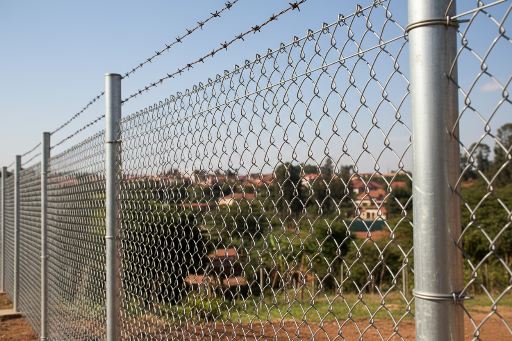
Chain link fences earn their reputation by doing a lot with simple parts: woven steel fabric, posts, rails, and a few fittings. In the Willamette Valley, where rain and winter moisture are regular visitors, the details of those parts matter. Wire thickness, mesh size, coatings, footings, and even the type of gate hardware each change how a fence resists rust, sagging, pets, wind, and everyday use. This article breaks down how those specifications influence performance so homeowners, property managers, and facility teams can make choices that match real conditions on the ground in Salem without overspending on features they do not need.
- What Wire Gauge Really Means for Strength and Wear
Buyers often compare “gauge” first because it is a quick way to understand fabric strength. Thicker wire provides more stiffness against bending, lowers the chance of waves between ties in the middle of a span, and tolerates the pushing and pulling of kids, pets, and lawn equipment. Property managers who want to see how gauge options translate into actual products can review local specifications for chain link fencing in Salem with F&W Fence Co. Inc. and then match those specs to expected traffic and stress at their site.
There is a tradeoff. Heavier fabric adds cost and weight to the framework. On a quiet side yard, an extra-thick wire may be unnecessary, while along a busy driveway or a delivery zone with frequent impacts, a lighter gauge can kink, stretch, or develop a permanent belly between line posts. If you expect repeated leaning or ball strikes, choose a thicker fabric and pair it with a continuous top rail rather than only tension wire at the top; the rail distributes force and keeps the weave aligned.
- Mesh Size, Selvage, and Climb Resistance
Mesh spacing is not just about appearance. A tighter mesh is harder to climb, better at containing small dogs, and more effective at keeping balls inside a play area. Wider mesh is more economical and offers a more open view. For example, a neighborhood tennis or basketball area benefits from tighter mesh to reduce balls passing through, while a garden perimeter may be fine with a wider pattern if the goal is simply marking a boundary.
Selvage choice at the top and bottom edges also changes behavior. “Knuckle” edges fold the wire tips back on themselves and reduce snagging, which is good near playgrounds or pedestrian paths. “Twist” edges create pointed barbs for added security, common on industrial sites but a poor fit near areas where people, pets, or jackets can catch. If you are installing near schools, parks, or a sidewalk easement, knuckle edges on both sides reduce risk, while knuckle on top and twist on bottom balances safety with discouraging lift attempts at the base.
- Coatings, Posts, and Hardware for Wet Winters
Galvanized steel is the baseline for corrosion protection. A thicker zinc coating resists rust longer, especially around ties, fabric knuckles, and gate frames where water lingers. Chain link with a vinyl coating (PVC) adds another barrier and blends into landscaping with green or black finishes. In Salem’s rainy months, vinyl coatings can minimize surface oxidation and help the fence recede visually against evergreen hedges. The tradeoff is cost and the possibility of nicks from trimmers exposing steel, which should be touched up to prevent rust from spreading.
Framework choices matter as much as the fabric. Terminal posts at ends and corners take the brunt of tension; upsizing these posts and using sturdy brace bands keeps the fence tight. A continuous top rail prevents the scalloped look that tops with only tension wire can develop as ties loosen. At the bottom, a tension wire deters pets from nosing under, while a full bottom rail adds rigidity for sites with frequent foot traffic. Use compatible fittings and ties that resist corrosion; choosing components that are too weak is a common failure point that leads to rattling sections and lost ties after a few seasons of rain and yard work.
- Privacy Slats and Windscreens: Strengthening the Framework Before Blocking the View
Plastic privacy slats and fabric windscreens can transform a chain link fence into a visual barrier, but they also turn that open weave into a sail. Wind loads go up, which flexes the fabric, strains ties, and rocks posts in their concrete. If privacy is a requirement, treat slats or screens as part of the design from day one. That usually means closer post spacing, heavier line posts, a continuous top rail and bottom rail, and additional tie frequency. Retrofitting slats onto a fence designed for light use is a frequent mistake that shortens the fence’s lifespan.
Consider a backyard on a corner lot. Privacy slats solve sightline concerns with the street, but the fence faces crosswinds. In that situation, plan for stronger posts set in sound concrete and add a bottom rail so the fabric cannot billow around a single tension wire. Keep shrubs pruned back so vegetation does not trap leaves against the fence; wet debris adds surprising weight and stays damp against the coating. After storms, walk the line, secure loose ties again, and clear any leaf mats that press against the mesh.
- Gates, Ground Conditions, and Everyday Function
Gate style affects clearance, hardware wear, and security. Swing gates are simple and common, but they need room to arc and enough bottom clearance to avoid rubbing on uneven ground. On sloped driveways, that clearance can leave a tempting gap for small pets. Cantilever gates slide along rollers without ground tracks and handle slopes better, though they require a longer fence segment to counterbalance the opening leaf. Whichever style you choose, match hinges, latches, and drop rods to the gate’s weight, and set posts deep and plumb so alignment holds after a wet winter.
Two everyday scenarios illustrate these choices. For a yard with a determined digger, combine a bottom tension wire with a buried apron of fabric inside the fence line to stop tunneling, and use a latch that locks at two points so flex at the top cannot pop it open. For a light commercial lot where delivery trucks brush past the fence, opt for fabric with a heavier gauge, a full top rail, and a double drive gate with robust hinge plates and center drop rods set into concrete. In both cases, small specification changes create a fence that feels solid years later.
Maintenance That Preserves Strength
Chain link requires little maintenance, but it still needs occasional attention. In spring, tighten loose ties, check that brace bands on terminal posts are snug, and look for any rust beginning at cut ends or fasteners. Lubricate gate hinges and confirm latches close cleanly without having to lift the leaf. Rinse off fertilizers and chemicals used to melt ice that can accelerate corrosion, and trim vines before they overtake the mesh and add wind load. A 30-minute check a couple of times a year prevents small issues from becoming structural problems.
Choosing the right combination of gauge, mesh, coating, framework, and gate hardware is less about buying the most expensive option and more about matching parts to weather, wind, traffic, and pets. Think through how the fence will be used tomorrow as well as on day one, and plan privacy or athletic needs up front so the framework is sized for the load. With a specification tailored to Salem’s wet winters and everyday wear, a chain link fence can stay straight, quiet, and secure with only modest upkeep for many seasons.


Who Is Sol Xochitl? The Inspiring Life Story of Exodus Tyson’s Mother

Who Is Sherry Aon? The Untold Story Behind Rick Gonzalez’s Wife

Who Is Krista Visentin? A Closer Look at the Amazing Life of David Visentin’s Wife

How to Prepare Your Travel Declaration Before Visiting Another Country

Who Is Aliza Barber? The Remarkable Life of Lance Barber’s Wife

Who Is Korina Harrison? The Truth Behind Corey Harrison’s Ex-Wife

Who Is Tanja Rosner? The Untold Life Story of Tate McRae’s Mother

Who Is Jaisal Andrews? Inside the Life of Naveen Andrews’ Son

Who Is Saffron Le Bon? The Untold Life Story of Benjamin Compston’s Wife

What Is OpenSkyNews and Who Are Its Two Co-Founders?

Who Is Kerri Browitt Caviezel? The Inspiring Life Story of Jim Caviezel’s Wife

Who Is Otelia Cox? The Remarkable Life Story of Tony Cox’s Wife
-
 Celebrity3 months ago
Who Is Tanja Rosner? The Untold Life Story of Tate McRae’s Mother
-
 Celebrity3 months ago
Who Is Jaisal Andrews? Inside the Life of Naveen Andrews’ Son
-
 Celebrity3 months ago
Who Is Saffron Le Bon? The Untold Life Story of Benjamin Compston’s Wife
-
 Entertainment2 months ago
What Is OpenSkyNews and Who Are Its Two Co-Founders?
-
 Celebrity3 months ago
Who Is Kerri Browitt Caviezel? The Inspiring Life Story of Jim Caviezel’s Wife
-
 Celebrity3 months ago
Who Is Otelia Cox? The Remarkable Life Story of Tony Cox’s Wife
-

 Celebrity3 months ago
Who Is Sue Johnston? The Remarkable Life Story of Joel Palmentor’s Mother
-

 Software2 months ago
Voozon.com Explained: What It Really Is Behind the “Knowledge Platform” Label