Software
Why Uncuymaza Can’t Be Verified as a Real Andean Tradition

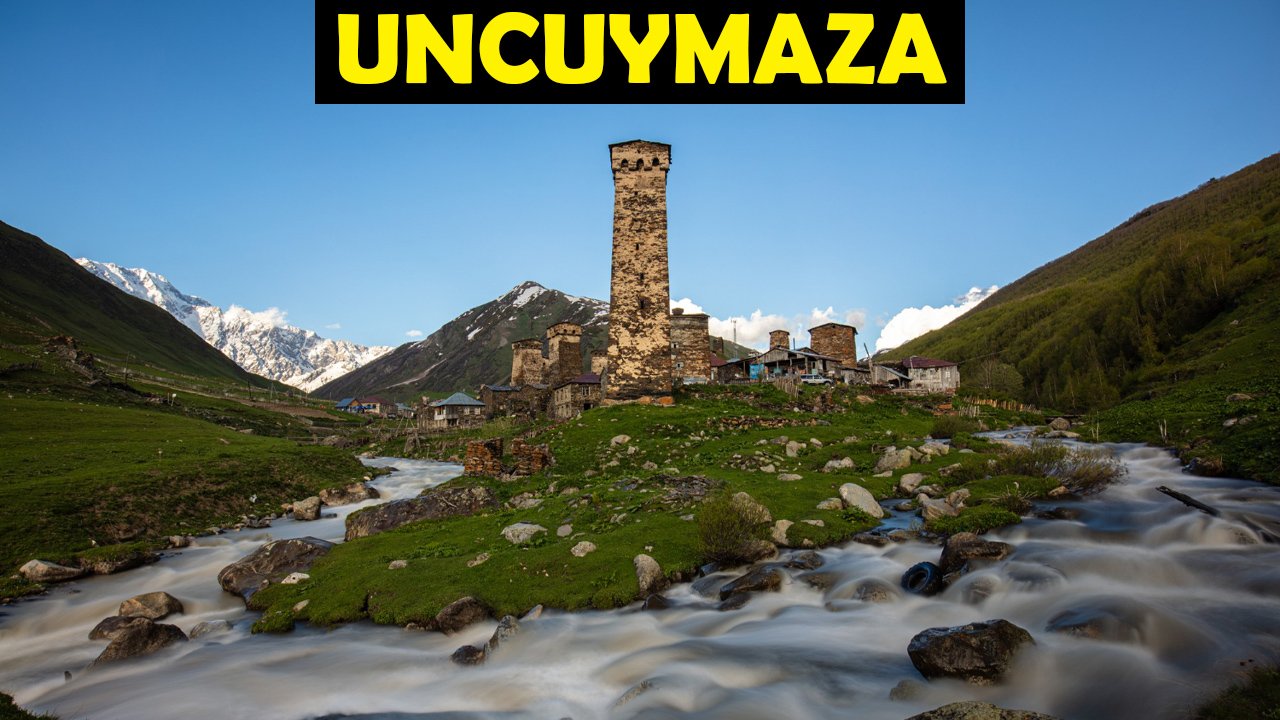
Uncuymaza is presented across several recently published articles as an Andean cultural concept with deep historical roots, alternately described as a traditional practice, a place, an art form, and even a modern leadership philosophy, yet none of these pieces cite a specific region, indigenous community, historical record, or academic source that would allow the claims to be independently verified. This article covers what the existing content claims, why the shifting, inconsistent framing across sources matters, and how to responsibly evaluate claimed cultural or historical content like this before treating it as accurate.
What Do Articles About Uncuymaza Actually Claim?
The content describing Uncuymaza spans a notably wide range of framings for something presented as a single, coherent cultural concept. Some articles describe it as a historical or cultural tradition with “rich history and traditions” suitable for travelers to explore. Others frame it as a concept tied specifically to home wall art and interior design culture. Still others describe it as “a living concept bridging tradition, place, art, and modern leadership,” and one frames it as a “hidden Andean gem blending culture, innovation, and modern identity.”
This breadth of framing, spanning tourism, home décor, abstract cultural philosophy, and leadership concepts, is unusual for a genuinely singular, well-documented cultural tradition, which would typically maintain a more consistent core meaning across different sources describing it, even if each source emphasized different aspects of that same underlying tradition.
Does Uncuymaza Appear in Any Academic or Cultural Reference?
No. The term does not appear in academic anthropology or ethnography literature on Andean cultures, established travel and tourism board resources for the Andean region specifically, or recognized indigenous language dictionaries and cultural documentation projects that typically catalog genuine regional traditions, place names, and cultural practices. Genuine Andean cultural traditions and place names, even relatively obscure or localized ones, generally appear in at least some combination of academic ethnographic research, regional government cultural heritage documentation, or indigenous community-led cultural preservation resources.
The complete absence of Uncuymaza from any of these categories of source, combined with the notably inconsistent framing across the content that does exist, points toward a fabricated or manufactured term rather than genuine, documented Andean cultural heritage.
Why Does Claiming Cultural or Historical Authority Deserve Extra Scrutiny?
Content that attaches specific cultural or historical claims to real, existing communities and regions carries a particular responsibility to be accurate, since inaccurate claims about a real culture’s traditions, whether fabricated entirely or significantly distorted, can spread misinformation about real people and their heritage, and can also disrespect or misrepresent genuine indigenous Andean cultural traditions that do exist and deserve accurate, respectful documentation. This is a meaningfully different concern from a fabricated business or technology term, since it involves attributing specific claimed traditions, values, and history to real communities without any verifiable connection to those communities or their actual documented culture.
Readers genuinely interested in Andean indigenous cultures and traditions are better served seeking out academic ethnographic sources or, ideally, content created by or in direct partnership with the specific indigenous communities being discussed, rather than generic explainer content with no verifiable cultural sourcing behind it.
Why Would Content Fabricate Cultural or Historical Claims?
Publishing content that borrows the general aesthetic and vocabulary of genuine cultural or historical explainer content, specific-sounding regional references, evocative descriptive language, and a confident, authoritative tone, without any actual verified sourcing behind it, is a recognizable pattern for capturing search traffic from readers interested in travel, cultural history, or indigenous heritage topics generally. The specific regional framing, Andean, gives the content a sense of geographic and cultural specificity that can make unverified claims feel more credible to readers unfamiliar with the actual documented cultural history of the region.
This pattern is particularly concerning specifically because it exploits genuine reader interest in learning about real indigenous cultures and traditions, redirecting that interest toward unverified, potentially fabricated content instead.
How Can You Verify Claimed Andean Cultural Content?
The most reliable approach is checking whether a specific claimed cultural term or tradition appears in established academic ethnographic literature, official regional cultural heritage documentation from countries within the Andean region, or resources created by recognized indigenous cultural organizations. The Smithsonian’s Center for Folklife and Cultural Heritage and similar established cultural heritage research institutions maintain rigorously documented resources on genuine indigenous traditions worldwide, offering a useful comparison point for what legitimately researched, properly sourced cultural documentation looks like, complete with named researchers, community partnerships, and verifiable regional specificity.
When a claimed cultural term instead generates only generic, unsourced explainer content with shifting definitions across unrelated categories, treating it as unverified rather than genuine indigenous cultural heritage is the more responsible and respectful conclusion.
What Should Travelers Interested in Andean Culture Do Instead?
For readers genuinely interested in learning about or visiting the Andean region’s real, richly documented indigenous cultures and traditions, established tourism board resources from Andean countries including Peru, Bolivia, and Ecuador, along with academic and community-led cultural resources, provide considerably more reliable and respectful starting points than generic, unverified explainer content. Genuine Andean cultural traditions, including well-documented practices tied to specific communities, textile traditions, agricultural practices, and spiritual beliefs, offer far richer and more accurate material for anyone genuinely interested in this cultural region than an unverified, manufactured term like Uncuymaza can provide.
Seeking out cultural content created in direct partnership with Andean indigenous communities themselves, rather than generic third-party explainer content, is also a meaningful way to support accurate representation and avoid contributing further to the spread of unverified or potentially disrespectful cultural claims.
How Does This Connect to Broader Content Quality Concerns?
This situation reflects a specific and particularly concerning variant of the broader pattern where content is manufactured around a trending or unusual-sounding term without genuine verification. Google’s own guidance on creating helpful, people-first content emphasizes genuine expertise and verifiable sourcing, standards that become especially important when content makes specific claims about real cultures, regions, and communities rather than a more abstract business or technology concept.
Recognizing this pattern, evocative regional and cultural framing paired with inconsistent, unsourced claims, helps readers apply appropriate skepticism to similar content while still remaining genuinely open to learning about real, well-documented indigenous cultures through properly sourced material.
What Should Readers Take Away From This Kind of Investigation?
The broader value of checking a claimed cultural term against academic and community-led sources extends well beyond this single case. Genuine curiosity about unfamiliar cultures deserves genuine, well-sourced answers, and settling for confident-sounding but unverifiable content shortchanges that curiosity rather than satisfying it. Taking the extra step to seek out properly documented, community-connected material, even when it requires more effort than a quick search result, ultimately produces a far more accurate and respectful understanding of any culture or tradition you’re genuinely trying to learn about.
How Can Readers Support Better Cultural Reporting Going Forward?
Choosing to read, share, and cite properly sourced cultural journalism over generic, unsourced explainer content sends a meaningful signal about what kind of content readers actually value. Supporting outlets that invest in real ethnographic research, community partnerships, and named expertise, even when it requires seeking that content out more deliberately than a quick search result, helps sustain the kind of accountable cultural reporting that genuinely deserves an audience.
Conclusion
Uncuymaza cannot currently be verified as a genuine Andean cultural tradition, place, or concept, given its complete absence from academic, tourism, and indigenous cultural heritage sources, combined with strikingly inconsistent framing across the content describing it. Readers genuinely interested in Andean indigenous culture are better served seeking out properly documented, community-connected sources rather than relying on this unverified and potentially disrespectful content.
Frequently Asked Questions
What is Uncuymaza?
No consistent, verifiable meaning could be confirmed. Available sources describe it inconsistently as a cultural tradition, an art concept, a travel destination, and a leadership philosophy, with no academic or cultural heritage source connecting these claims.
Is Uncuymaza a real Andean tradition?
No evidence supports this. The term does not appear in academic ethnographic literature, regional tourism board resources, or indigenous cultural heritage documentation for the Andean region, despite several articles framing it as genuine cultural heritage.
Why does it matter if a cultural term like this is fabricated?
Fabricated cultural claims risk spreading inaccurate information about real communities and can disrespect genuine indigenous traditions. Readers interested in Andean culture are better served by properly sourced, community-connected material and research.
Where can I learn about real Andean indigenous traditions?
Established academic ethnographic resources, regional tourism boards for Andean countries, and content created in partnership with indigenous communities themselves provide considerably more reliable and respectful starting points for genuine learning.
Why do different articles describe Uncuymaza so inconsistently?
This pattern is consistent with content manufactured to capture search traffic around an evocative-sounding term, with different publishers independently assigning it whatever category, travel, art, leadership, seemed likely to attract their audience.


milomagazine.co.uk in 2026: What Readers Should Know

What Is Adrian CryptoProNetwork and Who Is Behind It?

SouthwestWiFi.com Explained: How to Connect to Southwest’s Inflight WiFi

What Is Linkrify? A Plain-English Guide to Its Tools

MetALD: When Drinking and Metabolic Health Damage the Liver Together

How Does Webinkey.com Work? A Step-by-Step Overview

Who Is Jaisal Andrews? Inside the Life of Naveen Andrews’ Son

Who Is Tanja Rosner? The Untold Life Story of Tate McRae’s Mother

Who Is Saffron Le Bon? The Untold Life Story of Benjamin Compston’s Wife

Who Is Kerri Browitt Caviezel? The Inspiring Life Story of Jim Caviezel’s Wife

Who Is Sue Johnston? The Remarkable Life Story of Joel Palmentor’s Mother

Who Is Otelia Cox? The Remarkable Life Story of Tony Cox’s Wife
-
 Celebrity2 months ago
Who Is Jaisal Andrews? Inside the Life of Naveen Andrews’ Son
-
 Celebrity2 months ago
Who Is Tanja Rosner? The Untold Life Story of Tate McRae’s Mother
-
 Celebrity2 months ago
Who Is Saffron Le Bon? The Untold Life Story of Benjamin Compston’s Wife
-
 Celebrity2 months ago
Who Is Kerri Browitt Caviezel? The Inspiring Life Story of Jim Caviezel’s Wife
-
 Celebrity2 months ago
Who Is Sue Johnston? The Remarkable Life Story of Joel Palmentor’s Mother
-
 Celebrity2 months ago
Who Is Otelia Cox? The Remarkable Life Story of Tony Cox’s Wife
-

 Software1 month ago
Voozon.com Explained: What It Really Is Behind the “Knowledge Platform” Label
-

 News2 months ago
Money6x.com: What This Personal Finance Platform Offers