Business
Mopedum: Inside Sweden’s Real Vintage Moped Nostalgia Museum in Nynashamn

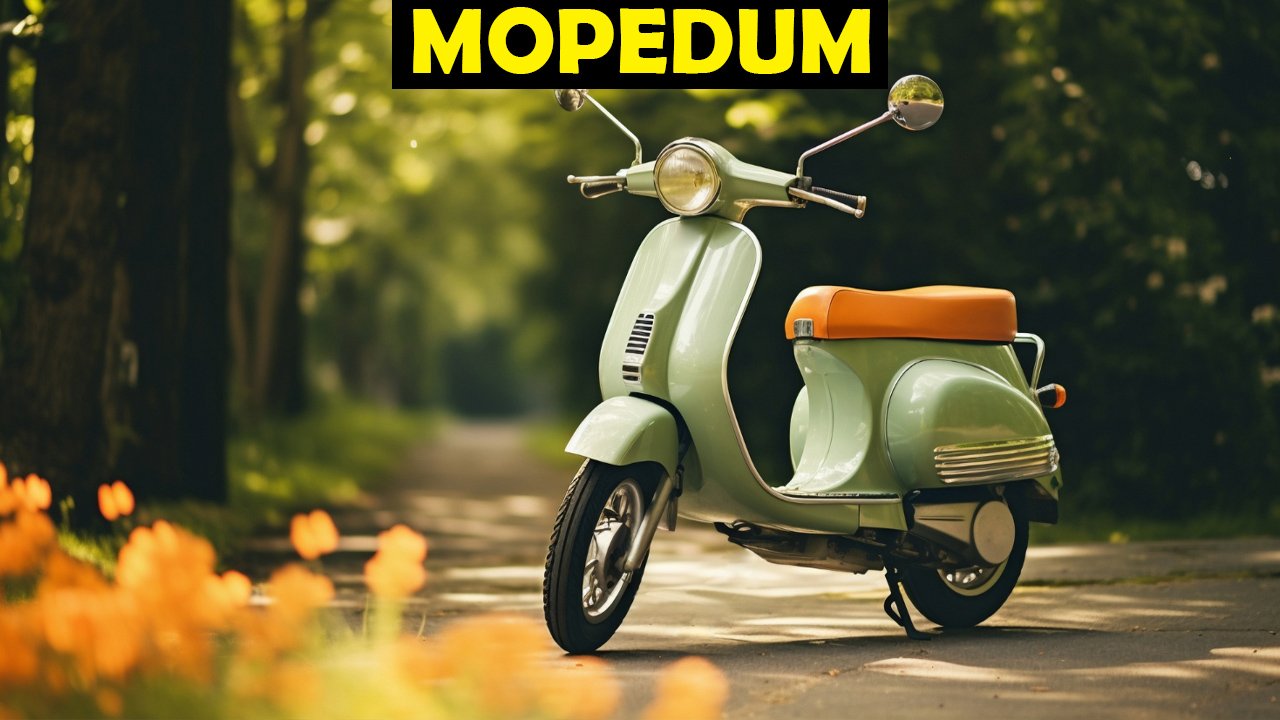
Mopedum is a genuine, well-documented Swedish nostalgia museum and companion website dedicated to vintage mopeds, located at Vikingavagen 39 in Nynashamn, a coastal town south of Stockholm, chronicling what organizers describe as the moped’s golden age from 1952 through 1979. This article covers what the museum actually documents, what visitors have reported experiencing, and what to check before planning a trip of your own.
What Is Mopedum, Exactly?
Mopedum, formally known as Mopedum Svenska Nostalgimuseet, is a themed nostalgia museum built around the history of Swedish mopeds, small motorized two-wheelers that became an enormously popular, affordable form of personal transportation across Sweden during the mid-twentieth century.
Beyond mopeds specifically, the museum’s own materials describe an eclectic collection spanning the 1950s through 1970s, including period toys, household goods, and other everyday objects meant to place the mopeds themselves within a broader picture of Swedish daily life during those decades.
The museum operates alongside a dedicated website, mopedum.se, which continues to publish content framed around “Veteranmopeder och nostalgi,” Swedish for veteran mopeds and nostalgia, covering topics like moped history, buying considerations, and restoration information for enthusiasts.
Where Is Mopedum Located?
The museum’s address is listed as Vikingavagen 39 in Nynashamn, a harbor town in Stockholm County known primarily as a ferry departure point, situated roughly an hour south of central Stockholm by car or commuter rail.
Nynashamn’s identity as a transit and ferry hub makes it a somewhat unexpected but genuinely accessible location for a specialized nostalgia museum, reachable as a day trip for visitors already exploring the Stockholm archipelago region.
This kind of small, regionally specific museum is a well-documented pattern across Sweden, where local historical societies and enthusiast groups often preserve niche industrial or transportation history in exactly this kind of dedicated, community-run space.
What Does the Museum’s “Golden Age” Timeline Actually Cover?
According to descriptions of the museum’s layout, visitors begin their experience in a recreated 1952 country store setting, a starting point meant to establish the broader historical and commercial context mopeds first emerged into.
The timeline then moves through Sweden’s transition from left-hand to right-hand traffic, a genuinely significant, well-documented event in Swedish transportation history that occurred in 1967 and affected every vehicle owner in the country, including moped riders.
From there, the museum’s narrative continues into what’s described as the “prog and retro” cultural periods, tracing how mopeds and the culture surrounding them evolved through the 1970s alongside broader shifts in Swedish youth and popular culture.
What Do Visitors Actually Experience Inside?
Visitor accounts describe an on-site cafe designed with matching nostalgic decor, allowing guests to pause during their visit in a setting consistent with the rest of the museum’s mid-century Swedish atmosphere.
The collection reportedly includes carefully preserved vintage mopeds alongside toys and household items, presented with what reviewers describe as genuine attention to detail in how individual artifacts were sourced and displayed throughout the museum’s rooms.
Guests are invited to experience what organizers frame as a kind of time travel, moving chronologically from the 1952 country store setting through subsequent decades, rather than viewing a simple static collection of parked vintage vehicles.
Is Mopedum About More Than Just Mopeds?
Independent visitor reviews consistently note that the museum extends well beyond a narrow focus on moped mechanics or models, instead using the vehicles as a entry point into broader Swedish social and cultural history.
This broader framing means the museum can genuinely appeal to visitors without any particular interest in vintage vehicles specifically, since the toys, household goods, and period storytelling offer a wider nostalgic experience of mid-century Swedish life.
Recognizing this distinction is useful for anyone deciding whether a visit is worthwhile, since Mopedum functions less like a narrow technical vehicle museum and more like a immersive walk through several decades of everyday Swedish culture.
What Do Visitor Reviews Say?
Independent review platforms show the museum holding a notably strong rating, with visitors describing their experience in terms like “a fun and nostalgic couple of hours” and “a real find” reflecting genuine enthusiasm rather than routine tourist obligation.
Reviewers specifically praised the depth and authenticity of the artifacts on display, describing the collection as showing genuine care in how pieces were acquired and arranged rather than assembled as a generic, superficial nostalgia display.
This kind of consistent, specific positive feedback across independent reviews is a reasonable signal of a genuinely well-curated small museum, distinct from generic tourist attractions that receive more mixed or vague visitor feedback.
Is Mopedum Still Open Today?
Independent listings show some inconsistency worth noting directly: at least one major review platform has flagged the Nynashamn location as reported permanently closed, while the museum’s own companion website continues to actively publish moped-related content.
This kind of discrepancy between a review platform’s location status and a brand’s continued online presence isn’t unusual for small, volunteer-run or seasonal museums, which may operate on limited schedules or pause physical visits without necessarily shutting down entirely.
Given this uncertainty, readers genuinely interested in visiting are better served checking the museum’s current status directly before planning a trip, rather than assuming either the closure report or the active website definitively settles the question.
What Should You Check Before Planning a Visit?
Checking a small, regionally specific museum’s current operating status directly through its own website or a phone call before traveling is a reasonable first step, particularly given documented inconsistencies across review platforms for this specific location. Mopedum’s official website is the most direct source for current information about the collection and any events.
Cross-referencing a specialized museum’s history and collection details against an independent motorcycle and moped history resource provides useful additional context beyond what a single museum’s own materials describe. Cybermotorcycle’s page on Mopedum documents the museum’s timeline and annual rally history in more detail.
Being aware that small, specialized museums like this one may operate on limited seasonal hours or require advance arrangement is a reasonable practical expectation worth planning around before a visit.
Why Does a Museum Like This Matter for Vintage Vehicle Enthusiasts?
Mopeds occupy a genuinely significant but often overlooked place in mid-century European transportation history, offering affordable personal mobility to a generation of riders in a way that larger motorcycles and early automobiles simply couldn’t match.
A dedicated museum preserving this specific history, including the surrounding cultural context of country stores, traffic reforms, and evolving youth culture, offers a more complete picture than a simple static display of restored vehicles alone would provide.
Enthusiasts researching Swedish moped history specifically benefit from this kind of hyper-local, carefully curated collection, since broader national transportation museums rarely dedicate this level of detailed attention to mopeds as a category on their own.
How Does Mopedum Compare to Other Niche Transportation Museums?
Mopedum’s pattern, a small, community-curated museum built around a specific, often-overlooked vehicle category, resembles other genuinely documented niche transportation museums found throughout Europe, each preserving a slice of regional mobility history that larger institutions typically overlook.
This kind of museum typically depends heavily on dedicated local collectors and enthusiast communities for both its artifacts and its ongoing operation, making its long-term continuity somewhat more uncertain than a larger, institutionally funded museum might have.
Readers interested in this specific kind of small, passionate niche museum can apply the same verification habits, checking current status directly, when researching similar community-run collections elsewhere in Sweden or across Europe more broadly.
What Broader Lesson Does This Case Offer?
A niche museum’s genuine historical value and a strong independent review record don’t automatically guarantee current, verified operating hours, particularly for small, community-run institutions that may not always update every listing platform consistently.
Readers benefit from treating a specialized museum’s own official channels as the most authoritative source for current visiting information, while still using independent reviews to evaluate the genuine quality of the underlying collection and experience.
How Should You Approach Visiting a Small, Specialized Museum Like This?
Approaching a visit to any small, specialized museum with a quick status check beforehand, rather than assuming a listing found through a general search engine or map service is fully current, is a reasonable, practical travel habit.
Start by checking the museum’s own website or social media for recent activity, since continued content updates are a reasonable, if imperfect, signal that a brand or collection remains active in some form.
Then consider reaching out directly if visiting from any distance, since small museums like this one may accommodate visits by arrangement even when standard public hours are limited or seasonal.
What Should You Take Away From This Overall?
Mopedum is a genuine, well-documented Swedish nostalgia museum built around vintage mopeds and mid-century culture in Nynashamn, holding strong independent reviews even as its current physical visiting status shows some inconsistency across listing platforms.
Readers genuinely interested in Swedish moped history or mid-century nostalgia are well served checking the museum’s own channels directly before planning a visit, given the documented gap between review-platform status and its continued online presence.
What Made Swedish Mopeds So Culturally Significant?
Mopeds became genuinely central to Swedish daily life during the mid-twentieth century, offering an affordable, mechanically simple form of personal transportation to young riders and working people who couldn’t yet afford a car or larger motorcycle.
Sweden’s specific regulatory approach to mopeds, treating certain classes differently from motorcycles in terms of licensing and speed limits, helped fuel widespread adoption among teenagers, a pattern that shaped an entire generation’s early experience of independent mobility.
This cultural significance is exactly why a dedicated nostalgia museum built around mopeds resonates with visitors well beyond dedicated vehicle collectors, since so many Swedish families have some personal or generational connection to a moped of their own.
Recognizing this broader cultural weight helps explain why a museum like Mopedum frames its collection around lived daily experience and storytelling rather than treating mopeds purely as mechanical objects worth documenting in isolation.
What Should Enthusiasts Know Before Researching Further?
Enthusiasts researching Swedish moped history further should treat a single museum’s own materials as a valuable but partial source, cross-referencing specific historical claims against independent motorcycle history resources and archival Swedish records where available.
The 1967 shift from left-hand to right-hand traffic in Sweden, referenced as part of the museum’s timeline, is itself a well-documented, independently verifiable historical event worth researching separately for readers wanting deeper context.
Joining or following enthusiast communities dedicated to vintage Swedish mopeds can also provide useful, crowd-sourced context and personal accounts that complement what any single museum collection is able to display within its own physical space.
This combination of direct museum research and broader community engagement offers a more complete picture than relying on any one single source, museum or otherwise, for understanding this specific piece of transportation history.
Conclusion
Mopedum is a genuine, well-reviewed Swedish nostalgia museum in Nynashamn built around vintage mopeds and mid-century culture, though its current physical visiting status shows a documented inconsistency across listing platforms worth checking directly before planning a trip. Readers genuinely curious about this niche piece of Swedish transportation history are better served consulting the museum’s own official channels for current, accurate visiting information.
Frequently Asked Questions
What is Mopedum?
It’s a Swedish nostalgia museum in Nynashamn dedicated to vintage mopeds and mid-century Swedish culture, featuring a themed timeline from a 1952 country store through the 1970s alongside period toys and household items.
Where exactly is Mopedum located?
The museum’s address is Vikingavagen 39 in Nynashamn, a ferry and harbor town in Stockholm County roughly an hour south of central Stockholm, reachable by car or commuter rail as a day trip.
Is Mopedum still open to visitors?
This is genuinely unclear from available sources: one review platform lists the location as reported permanently closed, while the museum’s companion website remains active, so checking directly before visiting is strongly recommended overall.
What can visitors expect to see at Mopedum?
Vintage mopeds, period toys, household goods, and a recreated 1952 country store setting, presented as a chronological journey through Swedish transportation and cultural history from the 1950s through the 1970s consistently.
Does Mopedum only appeal to moped enthusiasts?
No, independent reviews consistently note the museum offers broader mid-century Swedish nostalgia beyond mopeds specifically, making it genuinely appealing to visitors interested in general cultural history rather than vehicle mechanics alone.


Who Is Margot Rooker? The Untold Life Story of Michael Rooker’s Wife

Who Is Jefferson Salvini Randall? The Amazing Life Story of Tony Randall’s Son

Who Is Melissa Esplana? The Amazing Life Story of Dusty Baker’s Wife

AdsTotally.com Explained: Ad-Network Name, Guest-Post Reality

The Importance of Sun Protection in Children’s Swimwear

BlessingTide.com Explained: From Faith Content to General Interest

Who Is Jaisal Andrews? Inside the Life of Naveen Andrews’ Son

Who Is Saffron Le Bon? The Untold Life Story of Benjamin Compston’s Wife

Who Is Tanja Rosner? The Untold Life Story of Tate McRae’s Mother

Voozon.com Explained: What It Really Is Behind the “Knowledge Platform” Label

Who Is Sue Johnston? The Remarkable Life Story of Joel Palmentor’s Mother

Who Is Kerri Browitt Caviezel? The Inspiring Life Story of Jim Caviezel’s Wife
-
 Celebrity2 months ago
Who Is Jaisal Andrews? Inside the Life of Naveen Andrews’ Son
-
 Celebrity2 months ago
Who Is Saffron Le Bon? The Untold Life Story of Benjamin Compston’s Wife
-
 Celebrity2 months ago
Who Is Tanja Rosner? The Untold Life Story of Tate McRae’s Mother
-
 Software3 weeks ago
Voozon.com Explained: What It Really Is Behind the “Knowledge Platform” Label
-
 Celebrity2 months ago
Who Is Sue Johnston? The Remarkable Life Story of Joel Palmentor’s Mother
-
 Celebrity2 months ago
Who Is Kerri Browitt Caviezel? The Inspiring Life Story of Jim Caviezel’s Wife
-

 Celebrity1 month ago
Who Is Otelia Cox? The Remarkable Life Story of Tony Cox’s Wife
-

 Technology1 month ago
TheSindi Com Explained: What to Verify Before Trusting This Site