Lifestyle
Charged With Drug Possession in Fort Worth? Steps That Protect You

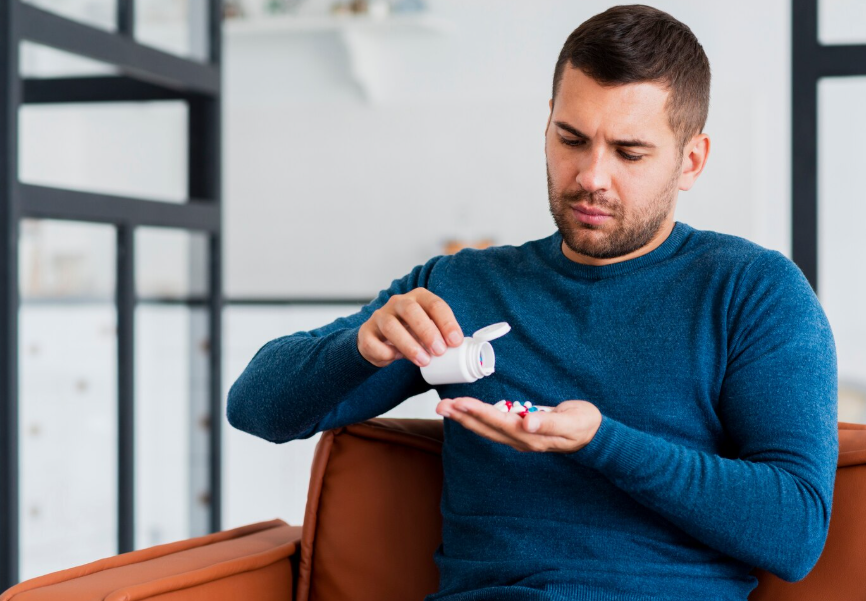
A drug arrest can happen fast. A routine traffic stop turns into a vehicle search, or police arrive at a shared apartment with a warrant, and suddenly someone is facing a charge that could affect their job, housing, and freedom. In Texas, possession of a controlled substance is treated seriously, and even a small amount can lead to jail time and a permanent criminal record.
Knowing what the charge means and what to do next can make a real difference in how a case turns out. Speaking with a possession of controlled substance lawyer in Fort Worth early can help a person understand the evidence, the possible penalties, and the defenses that may apply. Below is a plain look at how these cases work in Texas and the steps that can help protect your rights after an arrest.
Texas Sorts Drugs Into Penalty Groups
Texas handles most drug possession charges under the Texas Controlled Substances Act, which is part of the state’s Health and Safety Code. Instead of treating every drug the same way, the law places controlled substances into penalty groups. Drugs like cocaine, heroin, and methamphetamine fall into Penalty Group 1, which carries some of the harshest punishments. Other groups cover substances such as certain prescription pills, hallucinogens, and THC concentrates.
The amount matters just as much as the type of drug. A charge involving less than one gram of a Penalty Group 1 substance is generally a state jail felony, while larger amounts can push the case into higher felony levels. Possession of 400 grams or more of certain drugs can lead to a sentence of up to life in prison. Texas also counts the full weight of a mixture, including fillers, so a THC edible or vape cartridge can lead to a much more serious charge than the actual amount of drug inside it would suggest.
Possession Means Control, Not Just Being Nearby
Many people assume that being close to drugs is enough for a conviction. Under Texas law, prosecutors must show that a person knowingly or intentionally exercised care, custody, or control over the substance. Simply sitting in a car or living in a home where drugs were found does not prove possession on its own.
This is where cases involving several people get complicated. If police find drugs under a seat in a car with four passengers, or in a living room shared by several roommates, the state has to connect the drugs to a specific person. Courts look at factors such as whether the drugs were in plain view, whether they were within reach, who owned or controlled the space, and whether personal items like a wallet or ID were found nearby. Without those links, the case against a particular person may be weak.
Drug Charges in Fort Worth and Tarrant County
Fort Worth is one of the largest cities in Texas and serves as the county seat of Tarrant County. With busy roads like Interstate 35W, Interstate 30, and Loop 820 running through the area, traffic stops are a common starting point for drug arrests. Many possession cases begin when an officer pulls someone over for a minor violation, such as speeding or a broken taillight, and then asks to search the vehicle.
Cases filed in Fort Worth generally move through the Tarrant County court system, where felony cases are handled by district courts and misdemeanor cases go to county criminal courts. Local procedures, prosecutors, and available programs can all affect how a case moves forward. Understanding how the Tarrant County system works can help a person prepare for court dates and know what to expect at each stage.
Defense Issues That Often Come Up
Every case depends on its own facts, but some issues show up again and again in possession cases. One of the most important is whether the search was legal. Police generally need reasonable suspicion to make a traffic stop and either probable cause or valid consent to search a car. If a search warrant was used, the affidavit behind it must contain enough facts to support the search, and when police cross these lines, a defense lawyer may ask the court to throw out the evidence.
Timing can also matter. The U.S. Supreme Court has ruled that officers cannot hold someone at a traffic stop longer than needed just to wait for a drug dog without a valid reason. Other defenses may focus on lab testing, the weight of the substance, a valid prescription, or a lack of proof that the person knew the drugs were there. Readers who want to see the exact wording of the law can review Chapter 481 of the Texas Health and Safety Code, which lists the penalty groups and the punishment ranges for each one.
Steps to Take After a Drug Possession Arrest
What you do after an arrest can affect your case as much as what happened during it. The most important step is to stay quiet about the facts. You have the right to remain silent, and statements made to officers, even ones that seem harmless, can be used later to link you to the drugs. Politely ask for a lawyer and avoid talking about the arrest with friends, on jail phone calls, or on social media.
It also helps to keep every document you receive, including bond paperwork, court dates, and property receipts. Write down what happened while it is still fresh, such as where you were sitting, who else was present, and what the officers said and did. Make sure you attend every court date and follow all bond conditions, since missing court or failing a drug test while on bond can create new problems that are separate from the original charge.
Your Record May Be Protected in Some Cases
A drug conviction can follow a person for years. It may show up on background checks for jobs, apartments, and professional licenses. However, an arrest does not always end in a conviction. Some cases are dismissed, some are reduced to lesser offenses, and some people qualify for options like deferred adjudication or pretrial diversion.
Depending on how a case ends, a person may later be able to seek an expunction or an order of nondisclosure, which can remove or seal records from public view. Each option has its own eligibility rules and waiting periods. Because a plea deal can affect which options stay open, it is worth understanding these choices before agreeing to anything in court.
Moving Forward After a Possession Charge
A possession charge is serious, but it is not the end of the story. The state still has to prove that you knowingly possessed the drug, that the search was lawful, and that the evidence is reliable. Learning how Texas law works, staying quiet about the facts, and keeping careful records are practical first steps that anyone can take.
For people arrested in Fort Worth, getting qualified legal advice early can help clarify what charge applies, what penalties are possible, and which defenses may fit the facts. Taking the case seriously from the first day gives you the best chance to protect your record, your job, and your future.


Charged With Drug Possession in Fort Worth? Steps That Protect You

Who Is Emerson Normand Carville? The Inspiring Journey of James Carville’s Daughter

Who Is Jeremy Yaffe? The Untold Story of Alan Arkin’s Ex-Wife Who Became a Nurse

How Attractive Am I? A Guide to Exploring Your Facial Features With AI

How to Maximise Zero-Cent Power Hours in Australia

From Creative Ideas to Thoughtful Interiors: Designing a Home That Feels Right

What Is OpenSkyNews and Who Are Its Two Co-Founders?

Who Is Tanja Rosner? The Untold Life Story of Tate McRae’s Mother

Who Is Jaisal Andrews? Inside the Life of Naveen Andrews’ Son

Who Is Saffron Le Bon? The Untold Life Story of Benjamin Compston’s Wife

Who Is Kerri Browitt Caviezel? The Inspiring Life Story of Jim Caviezel’s Wife

Who Is Otelia Cox? The Remarkable Life Story of Tony Cox’s Wife
-
 Entertainment3 months ago
What Is OpenSkyNews and Who Are Its Two Co-Founders?
-
 Celebrity3 months ago
Who Is Tanja Rosner? The Untold Life Story of Tate McRae’s Mother
-
 Celebrity3 months ago
Who Is Jaisal Andrews? Inside the Life of Naveen Andrews’ Son
-
 Celebrity3 months ago
Who Is Saffron Le Bon? The Untold Life Story of Benjamin Compston’s Wife
-
 Celebrity3 months ago
Who Is Kerri Browitt Caviezel? The Inspiring Life Story of Jim Caviezel’s Wife
-
 Celebrity3 months ago
Who Is Otelia Cox? The Remarkable Life Story of Tony Cox’s Wife
-

 Celebrity3 months ago
Who Is Sue Johnston? The Remarkable Life Story of Joel Palmentor’s Mother
-

 Software2 months ago
Voozon.com Explained: What It Really Is Behind the “Knowledge Platform” Label