Technology
BurJuman Metro Station Explained: Dubai’s Key Line Interchange

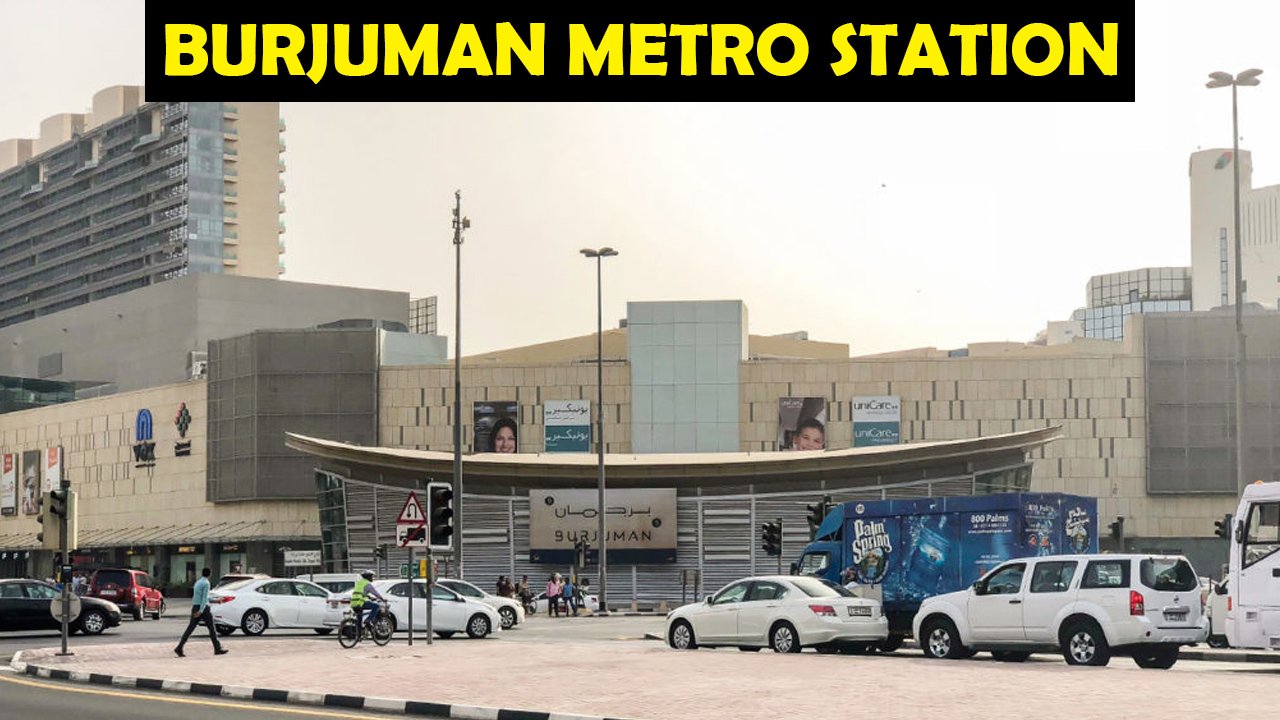
BurJuman Metro Station is a genuinely documented interchange station on the Dubai Metro, serving as one of only three points where the Red and Green Lines connect, and one of the network’s busiest stations by recorded passenger volume. This article covers what’s actually confirmed about the station’s history, its role as an interchange, and how it connects to the BurJuman shopping centre above it.
What Is BurJuman Metro Station?
BurJuman Metro Station serves both the Red Line and Green Line of the Dubai Metro, making it one of only three interchange stations across the entire network where passengers can transfer directly between the two main lines.
This interchange function places BurJuman among the most structurally significant stations in the system, alongside Union station as the only other point where Red and Green Line passengers can switch lines without leaving the metro network entirely.
The station’s dual-line design gives it an unconventional layout compared to standard single-line stations, and it ranks among the largest stations in the Dubai Metro system as a direct result of accommodating both lines simultaneously.
When Did the Station Open and Why Was It Renamed?
BurJuman station originally opened on September 9, 2009, as part of the Dubai Metro’s initial Red Line stretch, though it operated under a different name during its first several years of service.
The station was originally named Khalid Bin Al Waleed, reflecting the road it sits beneath, before being renamed BurJuman on November 13, 2012, specifically after the BurJuman shopping centre located outside the station’s Exit 3.
This renaming reflects a broader pattern across the Dubai Metro system, where several stations carry names tied to prominent nearby landmarks, making wayfinding more intuitive for both residents and visitors navigating the city.
How Does BurJuman Connect to the Shopping Centre Above It?
The metro station sits directly beneath the BurJuman shopping centre, positioned specifically below the intersection of Sheikh Khalifa Bin Zayed Street and Khalid Bin Al Waleed Road in central Dubai.
This direct physical connection means passengers can move between the metro platforms and the shopping centre without needing to exit onto the street level first, a convenience that has likely contributed to the station’s consistently high passenger volume.
This kind of direct mall integration is a deliberate design feature found at several Dubai Metro stations, reflecting the city’s broader approach to combining public transit infrastructure with major commercial and retail destinations.
How Busy Is BurJuman Station Compared to Other Stations?
BurJuman ranks as the second-busiest station on the entire Dubai Metro network, having accommodated more than 15.6 million passengers since it began operating, a figure that reflects both its interchange function and its shopping centre connection.
This high passenger volume makes sense given the station’s dual role, serving both as a functional transfer point for commuters switching between the Red and Green Lines and as a direct access point for shoppers and visitors heading to the mall above.
Understanding this passenger volume context helps explain why BurJuman’s layout was specifically designed to be larger than a typical single-line station, since it needs to accommodate substantially more simultaneous foot traffic than most other stops on the network.
What Should Travelers Know About Using BurJuman as an Interchange?
Passengers transferring between the Red and Green Lines at BurJuman should expect a station layout that’s somewhat more complex than a standard single-line stop, given the dual-line configuration that makes this station one of the network’s largest.
Allowing slightly extra time when transferring during peak commuting hours is a reasonable practical consideration, given the station’s documented status as the second-busiest on the network and the additional foot traffic generated by its direct mall connection.
Travelers unfamiliar with the station layout can benefit from checking wayfinding signage carefully, since interchange stations with this level of passenger volume and dual-line complexity can be more challenging to navigate quickly compared to simpler, single-line stations elsewhere on the network.
How Does BurJuman Compare to Union, the Other Interchange Station?
BurJuman and Union are the only two stations on the Dubai Metro network where passengers can transfer directly between the Red and Green Lines, making these two stations structurally unique compared to every other stop in the system.
Union station serves a different part of central Dubai and connects to its own set of nearby landmarks, meaning travelers should choose between BurJuman and Union based specifically on which part of the city their onward journey requires them to reach.
Understanding that only these two stations offer this direct transfer function is useful practical knowledge for planning any Dubai Metro journey that requires switching between the Red and Green Lines during a single trip.
What Should You Check Before Planning a Trip Through BurJuman?
Checking a station’s current operational status and any service updates against the metro operator’s official information is a reasonable step before relying on a specific interchange for time-sensitive travel plans. Wikipedia’s entry on BurJuman metro station documents the station’s history, passenger figures, and interchange role in detail.
Reviewing a station-specific guide covering exits, nearby landmarks, and connecting routes can help travelers plan a smoother journey through a busy interchange station like this one. Property Finder’s guide to BurJuman Metro Station covers practical details about the station’s exits and surrounding area.
Applying this same approach, checking both a general reference source and a practical travel guide, is a reliable habit when planning a route through any major transit interchange.
What Should You Take Away From This Overall?
BurJuman Metro Station is a genuinely documented, high-volume interchange connecting the Dubai Metro’s Red and Green Lines, renamed in 2012 after the shopping centre it sits directly beneath, and ranking as the network’s second-busiest station.
Travelers planning a journey through Dubai can rely on its confirmed status as one of only two direct transfer points between the two main lines when mapping out routes that require switching lines mid-journey.
What Other Landmarks Sit Near BurJuman Station?
Beyond the shopping centre directly above it, BurJuman station sits within a broader commercial and residential district of central Dubai, an area that has developed substantially in the years since the metro line first opened in 2009.
The surrounding neighbourhood includes a mix of older, established buildings alongside newer commercial developments, reflecting the area’s status as one of the city’s longer-standing urban districts rather than one of Dubai’s newer, purpose-built commercial zones.
This established surrounding context contributes to the station’s high passenger volume, since residents and workers in the immediate area rely on it for daily commuting in addition to the shoppers specifically visiting the mall connected directly above the platforms.
Travelers exploring this part of Dubai on foot after exiting the station will find a walkable mix of retail, dining, and older residential streets, distinguishing the immediate area around BurJuman from some of the city’s more recently developed districts further out.
How Has BurJuman Station Evolved Since It Opened?
When BurJuman first opened in September 2009 as part of the Red Line’s initial launch, it served only a single line, since the Green Line connection was not yet operational at that point in the network’s development.
The Green Line began service in 2011, transforming BurJuman from a standard single-line stop into one of the network’s two dedicated interchange stations, a structural upgrade that significantly increased both its passenger volume and its overall importance within the system.
The 2012 renaming from Khalid Bin Al Waleed to BurJuman followed shortly after this interchange status was established, reflecting the station’s growing association with the shopping centre rather than solely with the road it sits beneath.
This evolution, from a single-line stop to a major dual-line interchange with a recognizable landmark name, mirrors how several Dubai Metro stations have grown in significance alongside the surrounding area’s own commercial and residential development over the years.
What Practical Tips Help When Transferring at BurJuman?
Passengers transferring lines at BurJuman benefit from following the overhead directional signage carefully, since the station’s dual-line layout routes Red Line and Green Line platforms through distinct sections that are not always immediately adjacent to each other.
Traveling during off-peak hours, outside the busiest morning and evening commuting windows, can make navigating a high-volume interchange station like this one noticeably more comfortable, particularly for visitors unfamiliar with the layout attempting their first transfer here.
Allowing a few extra minutes when connecting to or from the shopping centre above is a reasonable precaution, since foot traffic moving between the mall and the platforms adds to the general volume the station already handles as one of the network’s busiest interchanges.
Keeping a general awareness of which exit corresponds to which destination, since BurJuman has multiple numbered exits serving different surrounding streets and landmarks, helps travelers avoid backtracking through the station after reaching street level in the wrong location.
What Should Visitors Know About the BurJuman Area Beyond the Station?
The district surrounding BurJuman blends established residential streets with commercial buildings, giving the area a distinct character compared to some of Dubai’s newer, purpose-built commercial zones further along the metro network.
Visitors staying in this part of the city often find the direct metro connection genuinely convenient for reaching other major destinations across Dubai without needing a car, particularly given BurJuman’s interchange access to both major lines.
This combination of an established neighbourhood, a major shopping centre, and a significant transit interchange makes BurJuman a practical reference point for orienting a visit to this part of central Dubai.
A Final Practical Note for First-Time Visitors
First-time visitors combining a shopping trip with a metro journey through BurJuman should factor in a little extra time for navigating between the platforms and the mall entrance, especially during weekend afternoons when both foot traffic streams tend to peak together. Checking a live transit app before setting out can also help confirm current service status ahead of a planned journey through this particular interchange. This small step takes only a moment but can save meaningful time during a busy trip through one of the network’s most heavily used stations, particularly for anyone unfamiliar with its dual-line layout and the additional foot traffic generated by the connected shopping centre above, especially during weekends and evenings when both the mall and the metro platforms tend to be at their busiest simultaneously overall.
Conclusion
BurJuman Metro Station is a genuinely documented, high-volume interchange connecting the Dubai Metro’s Red and Green Lines, renamed in 2012 after the shopping centre it sits directly beneath, and ranking as the network’s second-busiest station. Travelers can rely on its confirmed status as one of only two direct transfer points between the two main lines when planning routes across the city.
Frequently Asked Questions
What lines does BurJuman Metro Station serve?
It serves both the Red Line and Green Line of the Dubai Metro, making it one of only three interchange stations on the network where passengers can transfer directly between lines.
When did BurJuman Metro Station open?
It originally opened on September 9, 2009, as part of the Red Line’s initial stretch, under its former name Khalid Bin Al Waleed, before being renamed in 2012 to reflect the nearby shopping centre.
Why was the station renamed BurJuman?
It was renamed on November 13, 2012, after the BurJuman shopping centre located outside the station’s Exit 3, reflecting a naming pattern used across several Dubai Metro stations tied to prominent nearby landmarks.
How busy is BurJuman Metro Station?
It’s the second-busiest station on the entire Dubai Metro network, having accommodated more than 15.6 million passengers since opening, driven partly by its interchange role and its direct connection to the mall above.
What’s the other interchange station besides BurJuman?
Union station is the only other point on the Dubai Metro network where passengers can transfer directly between the Red and Green Lines, making these two stations structurally unique across the entire system.


Who Is Margot Rooker? The Untold Life Story of Michael Rooker’s Wife

Who Is Jefferson Salvini Randall? The Amazing Life Story of Tony Randall’s Son

Who Is Melissa Esplana? The Amazing Life Story of Dusty Baker’s Wife

AdsTotally.com Explained: Ad-Network Name, Guest-Post Reality

The Importance of Sun Protection in Children’s Swimwear

BlessingTide.com Explained: From Faith Content to General Interest

Who Is Jaisal Andrews? Inside the Life of Naveen Andrews’ Son

Who Is Saffron Le Bon? The Untold Life Story of Benjamin Compston’s Wife

Who Is Tanja Rosner? The Untold Life Story of Tate McRae’s Mother

Voozon.com Explained: What It Really Is Behind the “Knowledge Platform” Label

Who Is Sue Johnston? The Remarkable Life Story of Joel Palmentor’s Mother

Who Is Kerri Browitt Caviezel? The Inspiring Life Story of Jim Caviezel’s Wife
-
 Celebrity2 months ago
Who Is Jaisal Andrews? Inside the Life of Naveen Andrews’ Son
-
 Celebrity2 months ago
Who Is Saffron Le Bon? The Untold Life Story of Benjamin Compston’s Wife
-
 Celebrity2 months ago
Who Is Tanja Rosner? The Untold Life Story of Tate McRae’s Mother
-
 Software3 weeks ago
Voozon.com Explained: What It Really Is Behind the “Knowledge Platform” Label
-
 Celebrity2 months ago
Who Is Sue Johnston? The Remarkable Life Story of Joel Palmentor’s Mother
-
 Celebrity2 months ago
Who Is Kerri Browitt Caviezel? The Inspiring Life Story of Jim Caviezel’s Wife
-

 Celebrity1 month ago
Who Is Otelia Cox? The Remarkable Life Story of Tony Cox’s Wife
-

 Technology1 month ago
TheSindi Com Explained: What to Verify Before Trusting This Site