Business
AC Not Cooling in Tarzana Heat: How to Diagnose Warm Air Before You Call for Repair

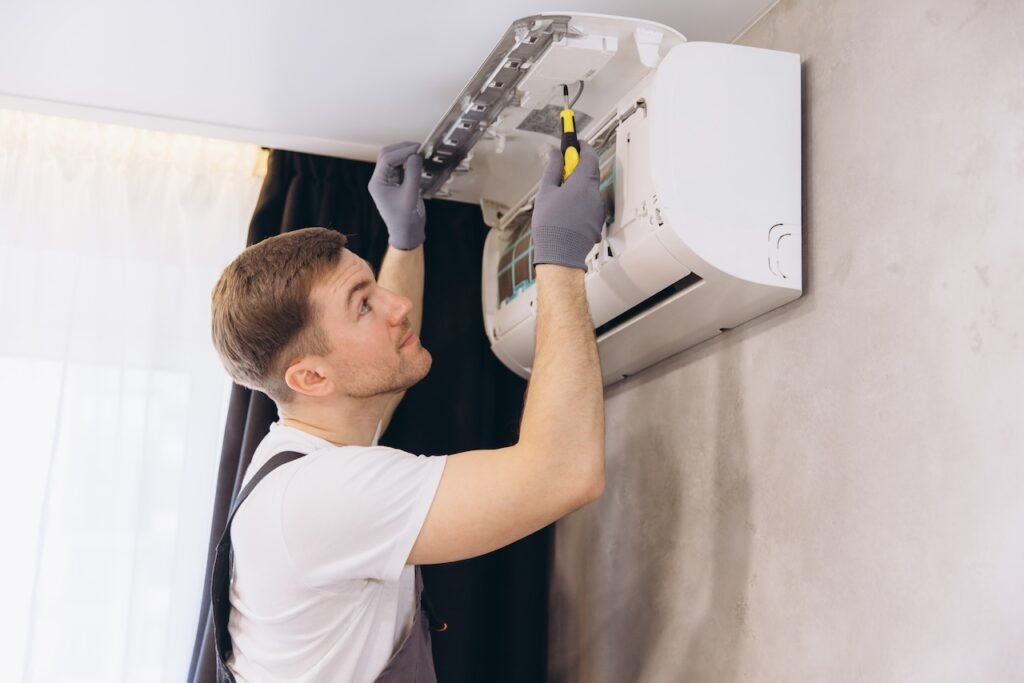
Hot, dry afternoons in Tarzana push air conditioners to their limits. When the vents blow warm air, the breaker trips, or the system runs without dropping the temperature, frustration builds fast. A few focused checks can separate a simple airflow or control issue from something that needs a licensed technician. This guide walks you through a safe, practical diagnosis you can do at home, explains what each symptom points to inside the system, and highlights when to shut the unit down and schedule professional service to protect your equipment.
- Quick Checks at the Thermostat, Vents, and Outdoor Unit
Start with controls and obvious symptoms. Confirm the thermostat is set to Cool (not Heat) and drop the setpoint at least 3 to 5 degrees below the current indoor temperature. Set the fan to Auto rather than On; the On setting can circulate air through warm ductwork even when the compressor is off, making supply air feel tepid. At a supply register, note whether airflow is weak or strong. Outside, listen for the condenser fan and compressor; a humming cabinet with a stationary top fan or a rapid click from the contactor can indicate a failed capacitor or a stuck relay. If these basics do not restore cooling, a call for AC repair in Tarzana may be warranted before further damage occurs.
Two quick feel tests can refine your diagnosis. If accessible, the larger insulated copper suction line at the outdoor unit should feel cool after the system has run for several minutes; a warm, dry suction line often points to a refrigerant, airflow, or compressor issue. If you see ice on the refrigerant lines or frost in the air handler, turn the system off at the thermostat to thaw before further evaluation; running with ice on the evaporator coil starves airflow and can flood the condensate drain when it melts.
- Airflow First: Filters, Returns, and Frozen Evaporator Coils
Restricted airflow is a top cause of warm air complaints. Pull the air filter and hold it to light; if you can barely see through it, replace it. A high MERV 1-inch filter can raise static pressure on systems with undersized return ducts, especially in homes with multiple pets or heavy dust. Make sure return grilles are not blocked by furniture, area rugs, or drapes, and verify that supply vents are open. Closing too many supply vents to “push air” into other rooms often backfires by reducing total airflow across the evaporator coil, inviting frost and a weak, lukewarm stream at the registers.
Scenario: You return from a long weekend to a hot house. The blower runs, but vents feel warm, and the copper suction line is frosty. Switch the thermostat to Off and set the fan to On to move air across the evaporator coil and speed thawing. Place a towel near the air handler to catch any condensate overflow, and check that the drain line is clear. After the ice is gone and you replace the filter, restore Cool with the fan on Auto. If frost reappears within an hour, the system likely has a deeper airflow or refrigerant issue that needs professional testing with gauges and temperature probes.
- Outdoor Heat Rejection: Condenser Coils, Fan Motors, and Clearance
Your system sheds indoor heat outside at the condenser coil. When aluminum fins get matted with lint, dust, or cottonwood fluff, head pressure rises, capacity falls, and the vents can blow warm air despite a running compressor. With power off at the disconnect, gently rinse the coil from the inside out using a garden hose; avoid pressure washers, which bend fins and choke airflow. Maintain at least 2 to 3 feet of clearance around the cabinet, trim shrubs, and keep mulch from blocking the bottom. A south-facing unit on a sunbaked patio that loses cooling around 3 p.m. often benefits from thoughtful shade, but use open, louvered screening that doesn’t impede airflow.
If the outdoor fan motor fails or a weak dual-run capacitor cannot start it, the top of the unit may feel hot, and the compressor may trip the high-pressure switch. Another sign is a loud hum followed by silence as the breaker opens. Do not repeatedly reset a tripped breaker; overheating can damage the compressor windings. These symptoms point to components like the capacitor, contactor, or fan motor that require safe electrical testing and replacement by a technician.
- Refrigerant and Electrical Issues You Should Not DIY
Low refrigerant charge from a leak reduces suction pressure and heat absorption at the evaporator coil, leading to long runtimes, intermittent frost, and poor cooling even with a clean filter. Verifying charge correctly requires measuring superheat and subcooling with gauges and thermometers referenced to your model’s nameplate. Common leak points include flare fittings, Schrader cores at service ports, and rubbed tubing at the air handler. Adding refrigerant without repairing the leak provides only temporary relief and, with refrigerants like R-410A under high pressure, is not a homeowner task.
Electrical faults can also mimic warm-air complaints. A bulged capacitor, pitted contactor, or overheated wire at the compressor terminal can prevent proper startup. Breakers that trip on hot afternoons may be responding to high head pressure from a clogged condenser coil, but they can also indicate a motor winding short. For heat pumps, a stuck reversing valve or failed defrost control can leave the system in the wrong mode. Because these issues involve high voltage and pressurized circuits, shut the equipment down and wait for a qualified technician rather than probing with improvised tools.
Preventing the Next Breakdown in the Valley’s Summer Heat
Routine attention goes a long way in Tarzana’s climate. Replace 1-inch filters every 1 to 3 months, and match them to the manufacturer’s recommended MERV rating to balance air quality with airflow. Each spring, gently rinse the condenser coil and clear debris from around the cabinet. Inspect the condensate drain for algae buildup and confirm any float switch is wired to shut the system off before overflow. Check that the black insulation on the suction line is intact to prevent heat gain in the attic or along the exterior wall, and verify that attic ducts are sealed at joints to keep return leaks from pulling in dusty, hot air.
Controls matter on triple-digit days. Avoid deep daytime setbacks; a thermostat jumping 8 to 10 degrees has to pull a lot of heat out of walls and furnishings, which can push the system into very long cycles. Program smaller, earlier adjustments and let the unit maintain steadier conditions. Use the fan on Auto for normal cooling, since Fan On can recirculate heat from attic ducts when the compressor rests. If simple checks don’t restore cooling, shut the system off, note any error codes, breaker activity, and time-of-day patterns, and share those details when you schedule service. Clear information speeds diagnosis and protects your equipment during the hottest stretches.
<iframe src=”https://www.google.com/maps/embed?pb=!1m18!1m12!1m3!1d3300.700002162609!2d-118.532764!3d34.179587!2m3!1f0!2f0!3f0!3m2!1i1024!2i768!4f13.1!3m3!1m2!1s0x80c29d5752343727%3A0x95b8aa962aa56c32!2sFleetwell%20Air%20Conditioning%20-%20Heating%20Plumbing!5e0!3m2!1sen!2sno!4v1761320575072!5m2!1sen!2sno” width=”600″ height=”450″ style=”border:0;” allowfullscreen=”” loading=”lazy” referrerpolicy=”no-referrer-when-downgrade”></iframe>


Who Is Jefferson Salvini Randall? The Amazing Life Story of Tony Randall’s Son

Who Is Melissa Esplana? The Amazing Life Story of Dusty Baker’s Wife

AdsTotally.com Explained: Ad-Network Name, Guest-Post Reality

The Importance of Sun Protection in Children’s Swimwear

BlessingTide.com Explained: From Faith Content to General Interest

Who Is Riley Mandel? The Inspiring Journey of Howie Mandel’s Daughter

Who Is Jaisal Andrews? Inside the Life of Naveen Andrews’ Son

Who Is Saffron Le Bon? The Untold Life Story of Benjamin Compston’s Wife

Who Is Tanja Rosner? The Untold Life Story of Tate McRae’s Mother

Voozon.com Explained: What It Really Is Behind the “Knowledge Platform” Label

Who Is Sue Johnston? The Remarkable Life Story of Joel Palmentor’s Mother

Who Is Kerri Browitt Caviezel? The Inspiring Life Story of Jim Caviezel’s Wife
-
 Celebrity2 months ago
Who Is Jaisal Andrews? Inside the Life of Naveen Andrews’ Son
-
 Celebrity2 months ago
Who Is Saffron Le Bon? The Untold Life Story of Benjamin Compston’s Wife
-
 Celebrity2 months ago
Who Is Tanja Rosner? The Untold Life Story of Tate McRae’s Mother
-
 Software3 weeks ago
Voozon.com Explained: What It Really Is Behind the “Knowledge Platform” Label
-
 Celebrity2 months ago
Who Is Sue Johnston? The Remarkable Life Story of Joel Palmentor’s Mother
-
 Celebrity2 months ago
Who Is Kerri Browitt Caviezel? The Inspiring Life Story of Jim Caviezel’s Wife
-

 Celebrity1 month ago
Who Is Otelia Cox? The Remarkable Life Story of Tony Cox’s Wife
-

 Technology1 month ago
TheSindi Com Explained: What to Verify Before Trusting This Site