Blog
Exploring Shockwave Therapy in San Diego for Sports Injuries and Pain Management

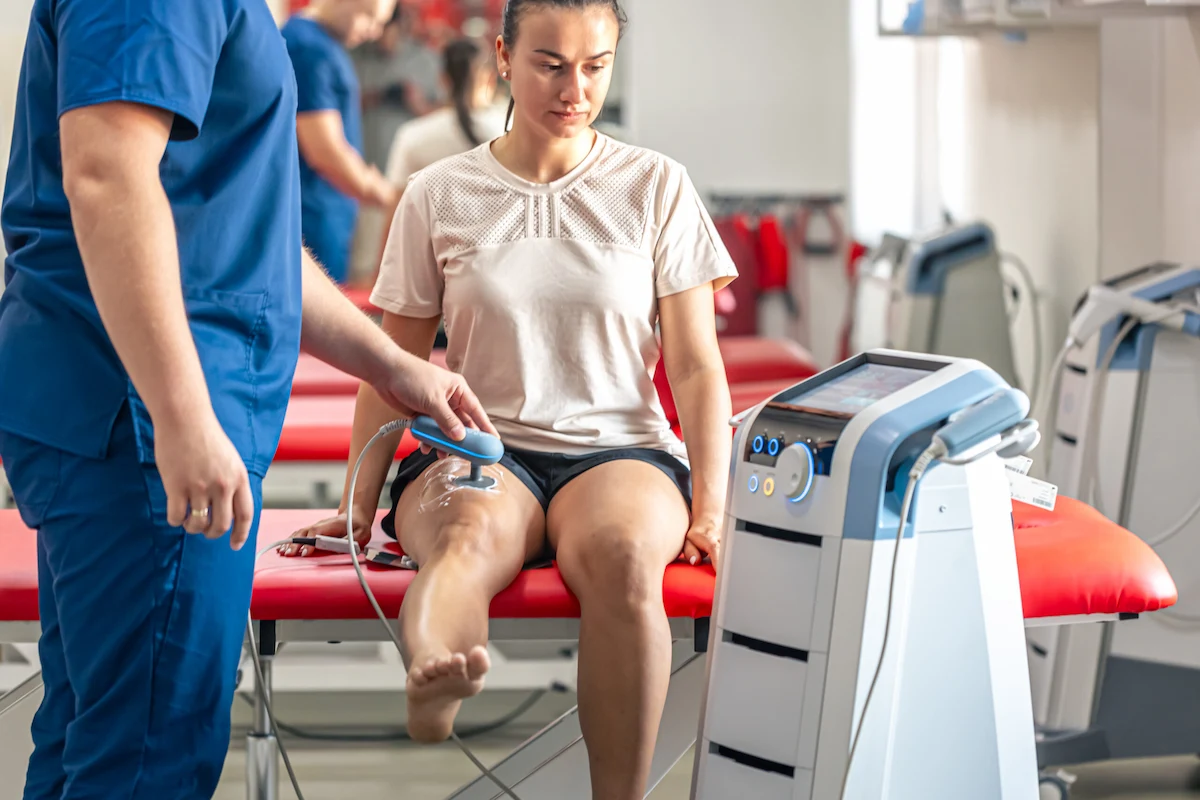
Sports injuries and recurring muscle or tendon pain can make it difficult to stay active. Whether you run, lift weights, or participate in competitive sports, persistent discomfort may affect your movement and training routine. Shockwave therapy is one treatment option being explored for certain musculoskeletal conditions. If you are researching shockwave therapy in San Diego CA, understanding how the treatment works, its potential benefits, and its limitations can help you make an informed decision.
What Is Shockwave Therapy?
Acoustic pressure waves focused on a certain area of the body are used to treat patients with shockwave therapy, which is a non-invasive therapy. These waves provide mechanical energy to a specific tissue and are employed for specific musculoskeletal symptoms, especially chronic tendon ailments. Treatment is typically performed with a handheld device that is applied to the skin with a contact gel.
The idea is to encourage responses within the treated area, which can help with the body’s tissue repair. But outcomes vary from person to person, treatment condition and type of shockwave therapy. Not always effective in treating all types of pain/sports injuries.
How Can Shockwave Therapy Help With Sports Injuries?
Shockwave therapy is being researched to help treat chronic tendon issues, such as plantar fasciitis, Achilles tendinopathy and some tennis elbow. These can be caused by repetitive loading and can lead to discomfort while exercising or moving during daily activities. If symptoms persist after conservative treatment, then a health care professional may question whether shockwave therapy is right for you.
In some patients, treatment can help to decrease pain and improve function, but not everybody will improve. It is typically used in conjunction with other strategies such as activity modification and rehabilitation exercises, and is not necessarily used as a stand-alone plan for recovery.
What Happens During a Shockwave Therapy Session?
The provider should examine your symptoms, medical history, and treatments to see if shockwave therapy is right for you before treatment. A handheld applicator is applied to the skin over the area to be treated during the session. The device provides controlled pulses that can induce a tapping or pressure feeling.
Sessions are typically fairly brief, depending on the condition and treatment plan. A few people have a little temporary discomfort afterwards. Your provider should inform you of what to expect and offer correct aftercare instructions.
Combining Shockwave Therapy With Sports Medicine
A more holistic sports medicine approach can be used to address the causes of recurrent injuries. Treatment will involve movement assessment, strengthening exercises, flexibility exercises and modification of your training program to address the issue depending on your condition. Shock wave therapy can form part of this treatment, if clinically appropriate.
For instance, if an athlete continues to experience pain in the tendon, they may need to alter training intensity and slowly increase strength. It is important to treat the underlying movement/loading problem, as this is not treating symptoms, which in itself does not mean an injury is fully recovered.
Is Shockwave Therapy Right for You?
Shockwave therapy is not appropriate for everyone. Its suitability depends on the diagnosis, location of the pain, medical history, and available evidence for the condition. A qualified healthcare professional should explain potential benefits, limitations, alternatives, and possible risks before treatment begins.
If you are experiencing persistent sports-related pain, an assessment can help determine whether shockwave therapy or another treatment is more appropriate. Understanding the cause of your symptoms is an important step toward choosing suitable care in San Diego.
Disclaimer: This article is for general informational and educational purposes only and is not intended to provide medical advice, diagnosis, or treatment. Consult a qualified healthcare professional for personalized guidance based on your individual health needs.


Exploring Shockwave Therapy in San Diego for Sports Injuries and Pain Management

Who Is Dennis Alan Taylor? The Amazing Life Story of Anya Taylor-Joy’s Powerboat-Racing Dad

What Proxy Servers Are and Why They Matter in Today’s Internet Economy

The Two-Person Enterprise: How AI-Native Startups Outrun Incumbents

Who Is Alexa Marie Aikman? The Remarkable Life of Troy Aikman’s Daughter Beyond the Spotlight

Charged With Drug Possession in Fort Worth? Steps That Protect You

What Is OpenSkyNews and Who Are Its Two Co-Founders?

Who Is Tanja Rosner? The Untold Life Story of Tate McRae’s Mother

Who Is Jaisal Andrews? Inside the Life of Naveen Andrews’ Son

Who Is Saffron Le Bon? The Untold Life Story of Benjamin Compston’s Wife

Who Is Kerri Browitt Caviezel? The Inspiring Life Story of Jim Caviezel’s Wife

Who Is Otelia Cox? The Remarkable Life Story of Tony Cox’s Wife
-
 Entertainment3 months ago
What Is OpenSkyNews and Who Are Its Two Co-Founders?
-
 Celebrity3 months ago
Who Is Tanja Rosner? The Untold Life Story of Tate McRae’s Mother
-
 Celebrity3 months ago
Who Is Jaisal Andrews? Inside the Life of Naveen Andrews’ Son
-
 Celebrity3 months ago
Who Is Saffron Le Bon? The Untold Life Story of Benjamin Compston’s Wife
-
 Celebrity3 months ago
Who Is Kerri Browitt Caviezel? The Inspiring Life Story of Jim Caviezel’s Wife
-
 Celebrity3 months ago
Who Is Otelia Cox? The Remarkable Life Story of Tony Cox’s Wife
-

 Celebrity3 months ago
Who Is Sue Johnston? The Remarkable Life Story of Joel Palmentor’s Mother
-

 Software2 months ago
Voozon.com Explained: What It Really Is Behind the “Knowledge Platform” Label