Food
Best Provoleta al Horno: Finding and Enjoying It Authentically

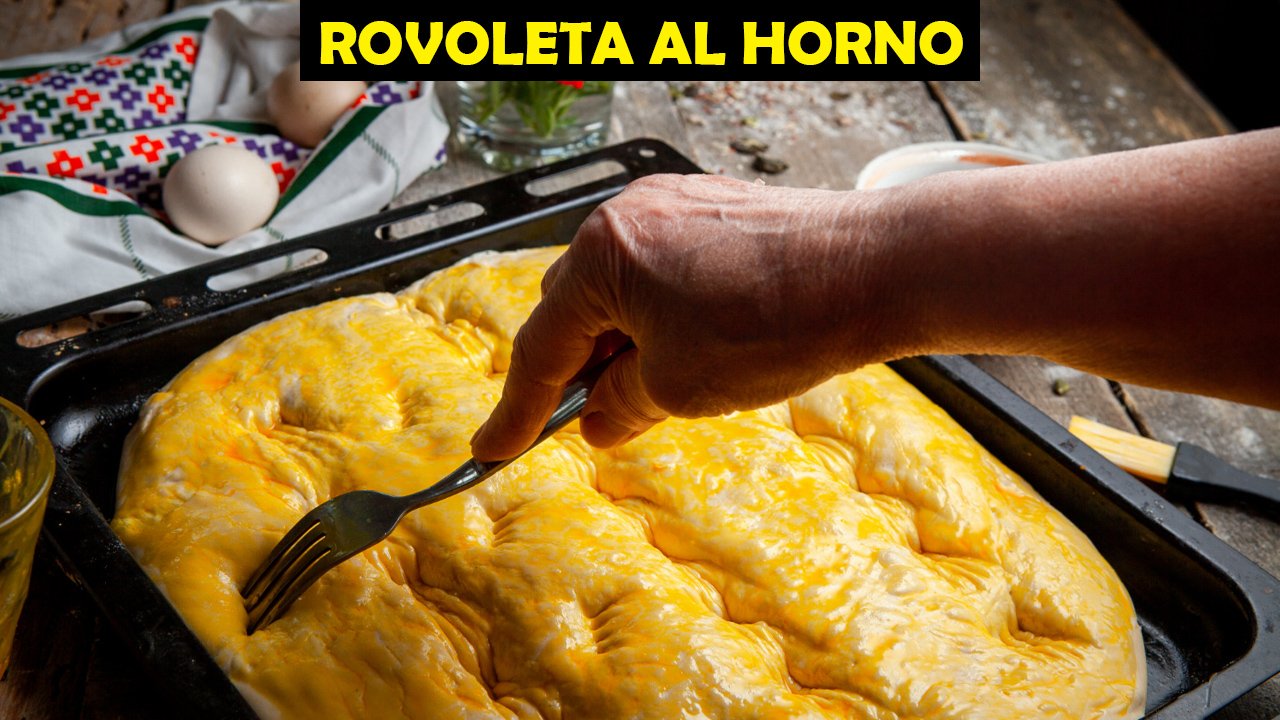
Provoleta al horno is a classic Argentine appetizer made from a specific aged, firm variety of provolone cheese, sliced thick and grilled or baked directly until the exterior develops a golden, slightly charred crust while the interior stays molten, typically finished with oregano, chili flakes, and a generous drizzle of olive oil, and traditionally served as a starter at Argentine parrillas, or steakhouse-style grill restaurants. Rather than listing specific restaurants this article can’t verify are currently operating near your exact location, this guide covers what makes an authentic version genuinely distinct, how to evaluate quality anywhere you find it, and how to prepare it yourself.
What Exactly Is Provoleta, and Why Does the Cheese Matter?
Provoleta refers to a specific style of provolone cheese aged and produced specifically for grilling, distinct from the softer, milder provolone commonly found in general grocery store deli sections and standard sandwich shops. This grilling-specific provolone is firmer and more aged, which allows it to develop a crisp, golden crust on the outside when exposed to direct high heat while holding its shape well enough not to completely liquefy and fall through a grill grate, a genuinely important practical quality for a dish specifically designed to be cooked directly over open fire or in a very hot oven.
Using standard, softer provolone instead of the properly aged, grilling-specific variety is one of the most common ways a provoleta preparation falls short of authentic quality, since the cheese either fails to develop the proper crust or melts too thin and loses its structural integrity before serving to the table. Specialty Italian and Argentine grocers typically stock the correct grilling variety specifically, often labeled clearly for this exact purpose, making it worth seeking out rather than substituting whatever provolone happens to be available at a general supermarket.
How Is Authentic Provoleta al Horno Traditionally Prepared?
Traditional preparation involves slicing the aged provolone into thick rounds, roughly an inch or more in thickness, then cooking it directly on a very hot grill grate or in a small cast iron or clay dish under intense heat, whether from an open flame parrilla grill or a very hot oven, until the exterior forms a deeply golden, slightly blistered crust while the center becomes soft and molten without fully liquefying or spreading. Traditional seasoning is kept relatively simple: dried oregano, red chili flakes, and a drizzle of good extra virgin olive oil, sometimes with a light dusting of breadcrumbs on the surface before cooking to help develop an even more pronounced crust and richer color.
The dish is traditionally served immediately, straight from the heat source, accompanied by crusty bread for scooping up the molten cheese, and is almost always positioned as a starter or shared appetizer at the beginning of an Argentine grill meal, rather than a main course on its own served separately at a different point in the meal.
How Can You Tell a Restaurant’s Version Is Made Authentically?
The clearest signals of a well-made, authentic provoleta include a genuinely developed golden-brown crust on the exterior, evidence that proper grilling-style provolone rather than standard soft provolone was used, and a molten but not completely liquid interior texture. A version that arrives as a flat puddle of fully melted cheese with no crust structure at all typically indicates either the wrong type of cheese was used or it wasn’t cooked using the traditional direct-heat method that develops the dish’s characteristic crust properly.
Restaurants specifically identifying as Argentine parrillas or steakhouses, rather than general Latin American or Italian restaurants offering a generic “baked provolone” appetizer, are considerably more likely to prepare this dish using the traditional Argentine method and proper cheese variety, given the specific culinary context and specialized equipment a dedicated parrilla typically maintains and uses daily.
How Can You Actually Find Argentine Restaurants Near You?
Since restaurant availability changes constantly and varies enormously by location, checking current listings and recent reviews on established platforms like Google Maps and Yelp, searching specifically for “Argentine restaurant” or “parrilla” in your area, and reading reviews that specifically mention provoleta by name, provides considerably more reliable, current information than any general guide could offer. Argentine cultural associations and diaspora community groups, active in many cities with established Argentine populations, can also provide genuinely current, locally informed recommendations.
Checking whether a restaurant’s menu specifically lists “provoleta al horno” or simply “provoleta,” rather than a generic “grilled cheese appetizer,” is often a useful initial signal that the kitchen is specifically preparing the traditional Argentine version rather than a loosely inspired variation.
How Can You Make Authentic Provoleta al Horno at Home?
Making this dish at home starts with sourcing genuine grilling-style provolone specifically, often labeled “provolone for grilling” or sold at Italian or Argentine specialty grocers, since standard deli provolone won’t develop the same crust or hold its shape properly under direct heat. A thick slice, placed in a small oven-safe dish or directly on a well-oiled, very hot grill grate, cooked under high heat, whether a hot grill, broiler, or cast iron skillet on the stovetop, for roughly five to eight minutes until deeply golden on the exposed surface, replicates the traditional result reasonably well in a home kitchen.
Finishing with dried oregano, a pinch of red chili flakes, and a drizzle of good olive oil immediately after cooking, then serving right away with crusty bread, captures the essential traditional presentation. The Argentino specialty food company, which focuses specifically on genuine Argentine culinary products and traditions, provides useful additional background on sourcing appropriate cheese and traditional preparation techniques for anyone attempting this at home.
What Should You Expect to Pay, and Is It Worth Seeking Out?
As a traditional starter dish at an authentic Argentine parrilla, provoleta is generally reasonably priced relative to the restaurant’s overall menu, reflecting its established role as a shared appetizer rather than a premium main course item on its own. Given how dramatically the quality and authenticity can vary between a carefully prepared traditional version and a generic “melted cheese appetizer” using the wrong ingredients, seeking out a restaurant that specifically specializes in Argentine cuisine, rather than treating this as an interchangeable item available anywhere, genuinely affects how close your experience comes to the traditional dish.
What Other Dishes Pair Well With Provoleta at a Traditional Meal?
At an authentic Argentine parrilla, provoleta is traditionally just the opening course of a much larger meal centered around grilled beef cuts, chorizo, and morcilla, with the cheese course specifically designed to whet the appetite before the main grilled meats arrive. Pairing it with a simple side salad and crusty bread, alongside a glass of Argentine Malbec, the country’s signature red wine as documented by Wines of Argentina, the country’s official wine promotion body, rounds out a traditionally structured meal that reflects genuine Argentine dining customs rather than treating the cheese as an isolated snack item.
Understanding this broader meal context is useful both for ordering appropriately at a genuine parrilla and for structuring a more authentic homemade Argentine-style meal if you’re preparing provoleta yourself alongside other traditional dishes.
Conclusion
Authentic provoleta al horno depends heavily on using a proper aged, grilling-style provolone cooked under direct high heat until it develops a genuine golden crust, a detail that separates the traditional Argentine dish from a generic melted cheese appetizer served elsewhere. Rather than relying on unverified restaurant listings, checking current reviews on established platforms, seeking out dedicated Argentine parrillas, or preparing it yourself with the correct cheese variety offers the most reliable path to experiencing this dish authentically and enjoyably at home or out.
Frequently Asked Questions
What makes provoleta al horno different from regular melted cheese?
It uses a specific aged, firm grilling-style provolone that develops a golden crust under direct high heat while staying molten inside, unlike standard soft provolone, which typically melts into a shapeless puddle.
How can I find an authentic Argentine restaurant near me?
Check current listings and recent reviews on Google Maps and Yelp, search specifically for Argentine restaurants or parrillas, and look for reviews mentioning provoleta by name for the most reliable, current results.
Can I use regular deli provolone to make this at home?
It’s not recommended. Standard soft provolone typically melts too thin without developing the proper crust. Seeking out grilling-style aged provolone from Italian or Argentine specialty grocers produces more authentic results.
How is provoleta al horno traditionally served?
It’s traditionally served immediately after cooking, straight from the heat source, as a shared starter accompanied by crusty bread, typically at the beginning of an Argentine grill meal rather than as a main course.
What seasonings are traditionally used on provoleta?
Traditional seasoning is simple: dried oregano, red chili flakes, and a drizzle of good olive oil, sometimes with a light breadcrumb coating added before cooking to help develop a more pronounced, golden crust overall.


Is Tracqueur a Real Word? Fact-Checking a Trending Tech Term

Fontlu: The Truth Behind This Unverified “Design Trend”

Is BCN Play Real? What We Found Investigating This “Platform”

Is Instablu Legit? What We Could (and Couldn’t) Verify

Cofield Funeral Obituaries: Where to Find Recent Listings

Advance Turbo Flasher: How This Nokia Flashing Tool Works

Who Is Kerri Browitt Caviezel? The Inspiring Life Story of Jim Caviezel’s Wife

Who Is Saffron Le Bon? The Untold Life Story of Benjamin Compston’s Wife

Who Is Jaisal Andrews? Inside the Life of Naveen Andrews’ Son

Who Is Sue Johnston? The Remarkable Life Story of Joel Palmentor’s Mother

Who Is Tanja Rosner? The Untold Life Story of Tate McRae’s Mother

Who Is Mark Fluent? The Real Life Story of Justine Bateman’s Husband
-
 Celebrity2 weeks ago
Who Is Kerri Browitt Caviezel? The Inspiring Life Story of Jim Caviezel’s Wife
-
 Celebrity3 weeks ago
Who Is Saffron Le Bon? The Untold Life Story of Benjamin Compston’s Wife
-
 Celebrity3 weeks ago
Who Is Jaisal Andrews? Inside the Life of Naveen Andrews’ Son
-
 Celebrity3 weeks ago
Who Is Sue Johnston? The Remarkable Life Story of Joel Palmentor’s Mother
-
 Celebrity2 weeks ago
Who Is Tanja Rosner? The Untold Life Story of Tate McRae’s Mother
-
 Celebrity2 weeks ago
Who Is Mark Fluent? The Real Life Story of Justine Bateman’s Husband
-

 Technology2 weeks ago
FintechZoom.io Explained: What to Verify Before Trusting This Site
-

 Celebrity2 weeks ago
Who Is Joe Costner? The Untold Story of Kevin Costner’s Eldest Son