Food
How to Find an Authentic Tarta de Acelga Near You

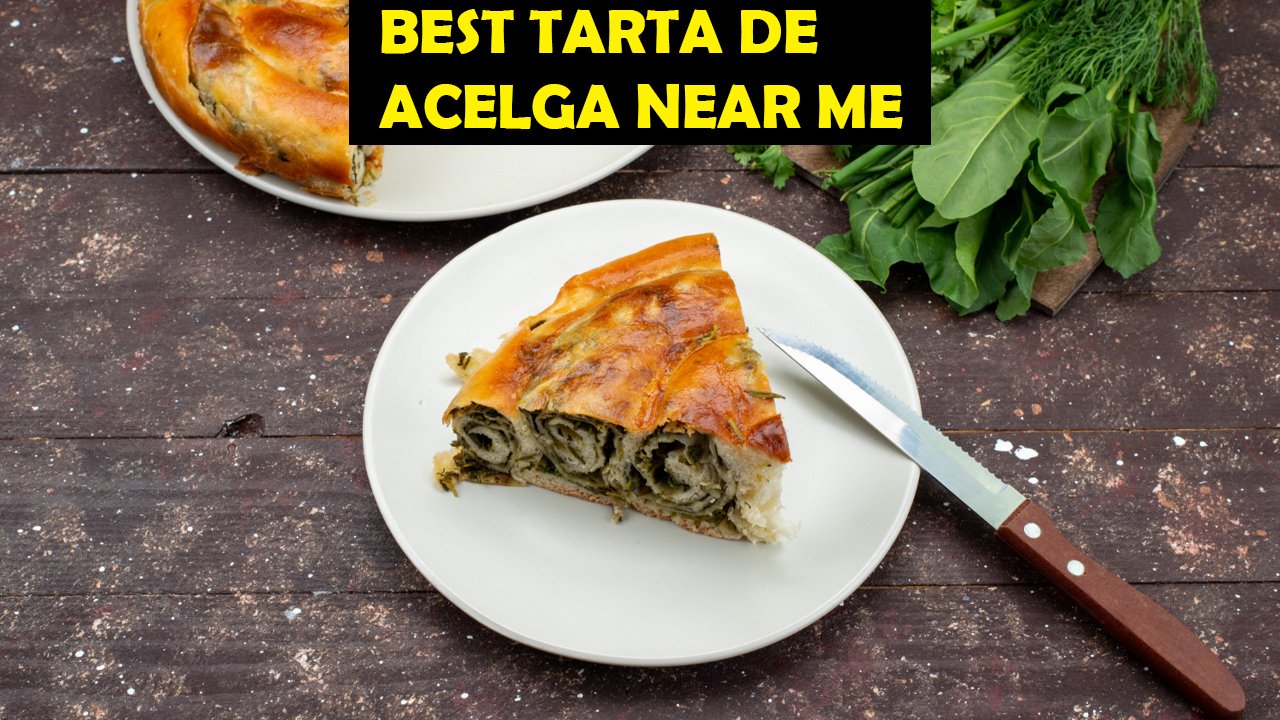
Finding the best tarta de acelga near you starts with understanding what actually separates a well-made version of this savory chard tart from a mediocre one, since quality and technique vary significantly between bakeries and restaurants, and a generic “near me” search cannot account for what’s genuinely available in your specific area. This guide covers what the dish actually is, the technique that defines an excellent version, how to judge quality when buying it, how to search effectively for a strong local option, and a reliable recipe to make it at home if nothing nearby fits the bill.
What Is Tarta de Acelga?
Tarta de acelga, also widely known as pascualina, is a savory double-crust tart filled with chard, onion, and often hard-boiled eggs arranged within the filling, a dish especially popular across Argentina and other parts of South America as both a home-cooked staple and a bakery item. The combination of leafy greens, a creamy binding sauce, and whole egg halves distributed through the filling gives the dish its distinctive appearance when sliced.
The name “pascualina” traces back to its traditional association with Easter, or Pascua, though the dish is widely eaten year-round today rather than being reserved for any specific holiday. Its combination of accessible ingredients and satisfying, savory flavor has made it a lasting staple across generations of home cooking as well as a common bakery and rotisserie counter item.
What Technique Defines a Well-Made Version?
The filling’s texture is what most separates a great tarta de acelga from a mediocre one. Chard naturally releases significant moisture as it cooks, and skipping the step of properly draining or incorporating it into a thickened sauce is one of the most common mistakes that leads to a soggy, watery filling that makes the crust go limp rather than staying crisp. A well-made version builds a proper roux-style base, sautéing onion and garlic before adding flour and milk to create a creamy sauce that binds the chard rather than letting its natural liquid run free within the crust.
The hard-boiled eggs also matter more than they might initially seem. Adding a splash of vinegar to the boiling water helps keep the eggs intact and prevents cracking, and properly timed boiling, generally around eight minutes, produces a fully set yolk without the dry, chalky texture that comes from overcooking. Arranging the egg halves evenly through the filling, rather than concentrating them in one section, ensures every slice gets a proper egg-and-filling ratio.
What Ingredients Should You Expect?
A traditional version is built from chard, onion, garlic, hard-boiled eggs, flour, milk, and pie crust, with many recipes also incorporating a soft cheese, cream cheese, or a touch of mustard to round out the filling’s flavor and richness. Parmesan or another firm cheese is sometimes added as well, contributing a savory depth that balances the chard’s slightly mineral, earthy flavor.
Pie crust quality matters considerably to the final result. A properly flaky, well-baked crust that holds its structure once sliced is a meaningful marker of a well-made tarta de acelga, while a soggy or underbaked bottom crust, often the result of an overly wet filling, is one of the more common quality issues to watch for, whether you’re buying it or making it yourself.
How Do You Judge Quality When Buying It?
Look at the cut edge before buying if possible, since a well-made tarta de acelga should show a firm, cohesive filling with visible egg distributed evenly throughout, rather than a loose, watery filling that separates from the crust when sliced. The crust itself should look and feel crisp and golden rather than pale, soggy, or visibly saturated with liquid from the filling.
Freshness matters considerably for this dish, since the filling’s texture changes as it sits, generally softening and sometimes making the bottom crust increasingly soggy the longer it’s held before serving. Asking whether a bakery or restaurant makes the tart fresh daily, rather than holding pre-made portions for an extended period, is a reasonable question that can meaningfully affect the version you actually receive.
How Do You Find the Best One Near You?
Because bakery and restaurant quality varies considerably by location, searching a mapping or review platform specifically for “tarta de acelga” or “pascualina” alongside your city name will surface Argentine, Uruguayan, or other South American bakeries and restaurants that specifically prepare this dish, rather than a broader search for general bakeries that may not carry it at all. Not every bakery stocks this specific item regularly, so confirming it’s actually available before making a special trip is worth the extra step.
Reading recent reviews that specifically mention the dish by name, rather than relying only on a bakery’s overall star rating, tends to surface more useful detail, since a bakery known for excellent empanadas or alfajores doesn’t automatically mean its savory tarts receive the same level of care and attention. Photos attached to recent reviews can also help you spot a soggy or dry-looking filling before you commit to a purchase.
What Should You Ask Before Ordering?
If a bakery lists “spinach and egg tart” or a similarly generic description rather than specifically naming tarta de acelga or pascualina, it’s worth asking whether it follows the traditional chard-and-egg preparation specifically, since spinach tarts and other savory vegetable tarts are related but distinct dishes that some menus describe imprecisely. Confirming the specific greens used can help set accurate expectations before you order.
Asking whether the tart is baked fresh that day versus reheated from a previous batch is also a reasonable question, given how much the filling’s texture and the crust’s crispness depend on freshness. For a bakery offering both a full tart and individual slices, individual slices sold throughout the day are sometimes cut from a tart baked earlier, which is worth knowing if freshness matters most to you.
Where Does This Technique and Recipe Come From?
The roux-based filling technique described above, along with the vinegar-in-the-water trick for keeping hard-boiled eggs intact, draws on detailed traditional preparations documented by writers who have covered Argentine home cooking extensively, offering a useful reference point for judging whether a bakery version follows the traditional creamy-filling technique or takes a shortcut that results in a wetter, less cohesive result.
The dish’s cultural roots and its traditional association with Easter are also documented in broader regional culinary writing on South American holiday cooking, which can be a helpful starting point if you want to understand the dish’s background before searching for it locally.
Can You Make It at Home Instead?
If a strong local option isn’t available nearby, tarta de acelga is genuinely approachable to make at home with accessible ingredients: chard, onion, garlic, eggs, milk, flour, cheese, and pie crust, either store-bought or homemade. The full process, including boiling the eggs, preparing the creamy chard filling, and assembling and baking the tart, typically takes under an hour and a half from start to finish, making it realistic as a weekend project rather than requiring extensive specialized technique.
Making it at home also gives you direct control over the filling’s creaminess and seasoning, letting you build a properly thickened sauce base rather than relying on however a given bakery balances moisture in their version. Baking at a properly high temperature, generally around 400 degrees Fahrenheit, until the crust turns deeply golden is the detail most likely to make the difference between a homemade version with a properly crisp crust and one that turns out soggy.
Conclusion
The best tarta de acelga near you depends on finding a bakery or restaurant that makes it fresh with a properly thickened chard filling and a crisp, non-soggy crust, rather than assuming any bakery automatically carries a well-made version. Searching for the dish by name, checking recent reviews and photos, and asking a few direct questions about freshness will get you closer to an authentic result than a generic search, and making it at home remains a reliable, approachable backup if nothing nearby meets the bar.
Frequently Asked Questions
What is tarta de acelga?
Tarta de acelga, also called pascualina, is a savory double-crust tart filled with chard, onion, and hard-boiled eggs, popular especially in Argentina and other parts of South America. Its name traces back to its traditional association with Easter, though it’s now eaten year-round.
How do I find the best tarta de acelga near me?
Search a mapping or review platform specifically for the dish by name alongside your city, since not every bakery carries it. Reviews and photos mentioning the dish specifically are more useful than a bakery’s overall star rating alone for judging quality.
What makes one version better than another?
A properly thickened, creamy chard filling built on a roux-style sauce base, evenly distributed hard-boiled egg throughout, and a crisp, non-soggy crust separate a well-made version from one with a loose, watery filling and a limp bottom crust.
Is tarta de acelga the same as a spinach tart?
Not exactly. While related, tarta de acelga specifically uses chard rather than spinach, and traditionally includes hard-boiled egg halves arranged through the filling, giving it a distinct texture and appearance compared with a generic spinach tart.
Can I make tarta de acelga at home if there’s no good option nearby?
Yes. It requires chard, onion, eggs, milk, flour, cheese, and pie crust, taking under an hour and a half including boiling the eggs and baking. Building a properly thickened filling and baking at a high temperature are the two details that matter most.


How Does Webinkey.com Work? A Step-by-Step Overview

Afextop Com Explained: What It Is and How It Works

When Water Gets In: First 48 Hour Decisions That Save Walls, Floors, and Sanity

Reroof or Tear Off? Wet Climate Decisions That Make a New Roof Last in Seattle

The Role of Field of View in Camera Installation Planning

What Is Unbanned G+ and How Do People Use It Today?

Who Is Jaisal Andrews? Inside the Life of Naveen Andrews’ Son

Who Is Tanja Rosner? The Untold Life Story of Tate McRae’s Mother

Who Is Saffron Le Bon? The Untold Life Story of Benjamin Compston’s Wife

Who Is Sue Johnston? The Remarkable Life Story of Joel Palmentor’s Mother

Voozon.com Explained: What It Really Is Behind the “Knowledge Platform” Label

Who Is Kerri Browitt Caviezel? The Inspiring Life Story of Jim Caviezel’s Wife
-
 Celebrity2 months ago
Who Is Jaisal Andrews? Inside the Life of Naveen Andrews’ Son
-
 Celebrity2 months ago
Who Is Tanja Rosner? The Untold Life Story of Tate McRae’s Mother
-
 Celebrity2 months ago
Who Is Saffron Le Bon? The Untold Life Story of Benjamin Compston’s Wife
-
 Celebrity2 months ago
Who Is Sue Johnston? The Remarkable Life Story of Joel Palmentor’s Mother
-
 Software1 month ago
Voozon.com Explained: What It Really Is Behind the “Knowledge Platform” Label
-
 Celebrity2 months ago
Who Is Kerri Browitt Caviezel? The Inspiring Life Story of Jim Caviezel’s Wife
-

 Celebrity2 months ago
Who Is Otelia Cox? The Remarkable Life Story of Tony Cox’s Wife
-

 News2 months ago
Money6x.com: What This Personal Finance Platform Offers