Skin Care
Botched Mini Facelift: 6 Signs and How to Fix It

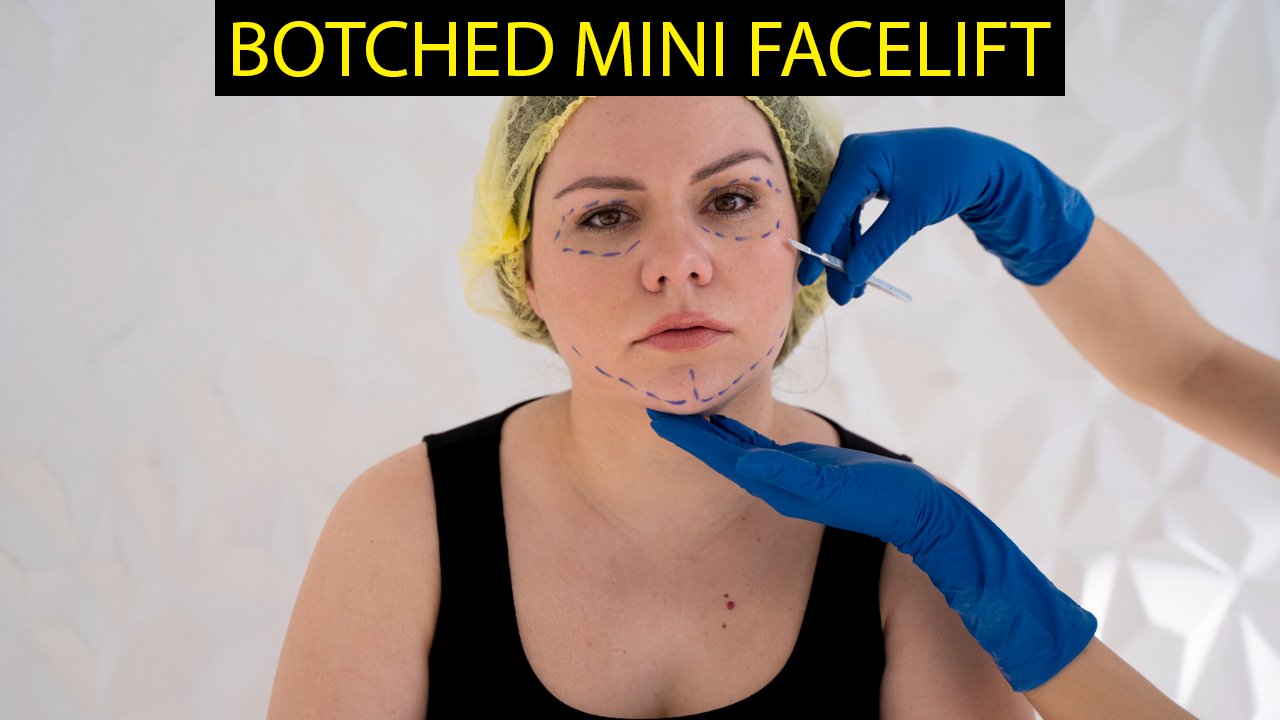
A botched mini facelift typically results from inexperienced surgical technique, inadequate treatment of deeper facial tissue layers, or excessive tension during the procedure, producing recognizable warning signs like facial asymmetry, a stretched or “windblown” appearance, and a distorted earlobe deformity known as pixie ear. This article covers the six most recognizable signs of a botched mini facelift, what typically causes each one, and the general corrective paths patients pursue, along with important context on choosing a qualified surgeon to avoid these outcomes in the first place. This is general educational information and not a substitute for an in-person evaluation by a board-certified plastic surgeon.
What Is a Mini Facelift Supposed to Achieve?
A mini facelift is a less invasive alternative to a traditional full facelift, generally targeting mild to moderate signs of aging in the lower face and jawline through smaller incisions and a shorter recovery period. When performed well, it should produce a natural, refreshed appearance without the tell-tale signs of surgical intervention that concern many prospective patients.
Because it’s less invasive than a full facelift, some patients and even some practitioners treat it as a simpler, lower-risk procedure, but reduced invasiveness doesn’t eliminate the need for genuine surgical skill and a thorough understanding of facial anatomy. A poorly performed mini facelift can produce results just as noticeably unnatural as a botched full facelift, despite the procedure’s smaller scope.
1. Facial Asymmetry
One side of the face appearing noticeably different from the other, whether tighter, higher, or differently contoured, is one of the more common signs of a poor result. This typically stems from uneven tension applied during the procedure or inconsistent technique between the two sides of the face, rather than a natural variation patients had before surgery.
Some degree of natural facial asymmetry is normal in every person before any surgery, which is why an experienced surgeon accounts for a patient’s existing baseline asymmetry during planning rather than applying identical technique to both sides regardless of the patient’s starting anatomy.
2. Pixie Ear Deformity
Pixie ear refers to the earlobe being pulled downward and attached to the side of the face in an elongated, tapered shape, resembling the pointed ears associated with the folklore creature the term references. This is considered one of the classic, most recognizable indicators of a facelift performed with excessive tension on the surrounding skin.
This deformity occurs when a surgeon pulls the skin too tightly during closure, distorting the earlobe’s natural position and shape in the process. It’s generally considered a technical error rather than an unavoidable risk of the procedure itself, and correcting it typically requires specialized revision surgery focused on repositioning the earlobe.
3. A “Windblown” or Overly Stretched Appearance
Skin that looks excessively pulled or stretched, rather than naturally refreshed, is a hallmark sign of a facelift performed with too much tension and too little attention to natural facial contours. This look is sometimes described as “windblown” because the skin appears to be permanently pulled back, as if the patient were facing into a strong wind.
This outcome often results from a surgeon prioritizing dramatic visible tightening over a natural-looking result, or from an approach that addresses only the skin’s surface without properly repositioning the deeper structural tissue layer beneath it, which is generally necessary for a lasting, natural-looking result.
4. Visible or Thickened Scarring
Scars that are unusually thick, discolored, or positioned prominently rather than concealed within natural facial creases and the hairline are a sign of technique issues during incision placement or wound closure. Some scarring is an inevitable part of any surgical facelift procedure, but a skilled surgeon works to minimize its visibility through careful incision placement and closure technique.
Scar severity can also depend on individual healing factors beyond the surgeon’s control, but a pattern of unusually poor scarring specifically at the areas most associated with a technically difficult closure is more consistent with technique issues than with a patient’s individual healing tendency alone.
5. Prolonged Swelling, Numbness, or Nerve-Related Symptoms
While some swelling, bruising, and temporary numbness are expected after any facelift procedure, symptoms that persist well beyond the typical recovery window, or genuine nerve damage causing lasting sensory changes or facial weakness, point to a more serious complication. Nerve damage in particular can result in persistent numbness, altered sensation, or in more serious cases, difficulty controlling specific facial muscles.
Any facial weakness or movement difficulty following a facelift procedure, in particular, warrants prompt evaluation by a qualified surgeon, since some nerve-related complications are more treatable the earlier they’re addressed following the original procedure.
6. Neck Irregularities
Uneven contouring along the neck, visible vertical bands, or harsh, unnatural transitions between the jawline and neck are common signs specifically associated with facelift techniques that don’t adequately address deeper neck tissue alongside facial skin. Since many mini facelift techniques focus primarily on the lower face, inconsistent or incomplete attention to the neck area during planning can leave a mismatched, unnatural transition between the two areas.
This is one of the more common complaints patients raise even when the facial portion of the result looks reasonably good, since an uneven jawline-to-neck transition is often highly visible from certain angles despite an otherwise acceptable overall facial result.
What Generally Causes These Outcomes?
The most frequently cited root cause across available information is a surgeon lacking sufficient experience or specialized training in facial procedures specifically, since facelift surgery requires nuanced understanding of facial anatomy, tension distribution, and individual variation between patients. A surgeon who is board-certified generally but lacks substantial specific experience performing facelifts is at higher risk of producing an unnatural result than one with extensive, specific experience in this exact procedure.
Technique choices also matter considerably. Approaches that only tighten the skin’s surface layer without addressing the deeper SMAS (superficial musculoaponeurotic system) tissue layer beneath it tend to produce results that look more obviously “pulled” and are less durable over time compared with techniques that reposition the deeper supportive tissue layer along with the skin itself.
What Are the General Corrective Options?
Revision surgery, performed by a surgeon with specific expertise in correcting prior facelift work, is the primary corrective path for most significant botched facelift outcomes, involving repositioning tissue layers, releasing excess tension, and addressing specific issues like pixie ear deformity or scarring directly. Revision surgery is generally more technically complex than an original facelift, since the surgeon must work with tissue that has already been altered and often scarred from the initial procedure.
For less severe irregularities, non-surgical options like fat grafting to restore lost volume, targeted filler injections, or laser therapy for scar improvement may address specific concerns without requiring a full surgical revision. Surgeons typically recommend waiting a substantial period, often cited as six to twelve months, after the original procedure before pursuing revision surgery, allowing tissue to fully heal and swelling to resolve so the surgeon can accurately assess exactly what needs correcting.
How Can You Reduce the Risk of a Botched Result in the First Place?
Choosing a board-certified plastic surgeon with substantial, specific experience performing facelift procedures, rather than a general cosmetic practitioner, is the single most emphasized recommendation across available information for avoiding these outcomes. Checking a surgeon’s board certification through the American Board of Plastic Surgery is a concrete, independent verification step before committing to any facial surgery.
Reviewing a surgeon’s specific before-and-after portfolio of prior facelift patients, asking directly about their experience with the exact technique being proposed, and getting a thorough, honest consultation about realistic expectations for your specific facial anatomy are all reasonable steps before proceeding with any facelift procedure, mini or otherwise. The American Society of Plastic Surgeons also publishes patient safety resources specifically covering questions to ask before any cosmetic surgical procedure, which is a useful independent reference alongside board certification verification.
Conclusion
A botched mini facelift typically traces back to insufficient surgeon experience or technique that prioritizes visible tightening over natural-looking, properly supported results, producing recognizable signs like facial asymmetry, pixie ear deformity, and an overly stretched appearance. Revision surgery from an experienced, board-certified surgeon can address most of these outcomes, but verifying a surgeon’s specific facelift experience and board certification before your original procedure remains the most effective way to avoid needing correction in the first place.
Frequently Asked Questions
What are the most common signs of a botched mini facelift?
The most recognizable signs include facial asymmetry, pixie ear deformity, an overly stretched or windblown appearance, visible or thickened scarring, prolonged numbness or nerve symptoms, and uneven neck contouring or irregular jawline-to-neck transitions.
What causes a botched mini facelift?
The most commonly cited cause is a surgeon lacking sufficient specific experience in facelift procedures, along with technique issues like excessive tension during closure or failing to address the deeper SMAS tissue layer alongside the skin’s surface.
Can a botched mini facelift be fixed?
Yes, generally through revision surgery performed by a surgeon experienced in correcting prior facelift work, sometimes combined with non-surgical options like fat grafting or laser therapy for less severe irregularities. Surgeons typically recommend waiting six to twelve months before revision.
How do I choose a surgeon to avoid a botched facelift result?
Verify board certification through the American Board of Plastic Surgery, review a surgeon’s specific portfolio of prior facelift patients, and ask directly about their experience with your specific proposed technique before committing to any facial surgery.
What is pixie ear deformity?
Pixie ear refers to the earlobe being pulled downward and attached to the side of the face in an elongated shape, caused by excessive skin tension during facelift closure. It’s considered a classic sign of a technically flawed facelift result.


How Does Webinkey.com Work? A Step-by-Step Overview

Afextop Com Explained: What It Is and How It Works

When Water Gets In: First 48 Hour Decisions That Save Walls, Floors, and Sanity

Reroof or Tear Off? Wet Climate Decisions That Make a New Roof Last in Seattle

The Role of Field of View in Camera Installation Planning

What Is Unbanned G+ and How Do People Use It Today?

Who Is Jaisal Andrews? Inside the Life of Naveen Andrews’ Son

Who Is Tanja Rosner? The Untold Life Story of Tate McRae’s Mother

Who Is Saffron Le Bon? The Untold Life Story of Benjamin Compston’s Wife

Who Is Sue Johnston? The Remarkable Life Story of Joel Palmentor’s Mother

Voozon.com Explained: What It Really Is Behind the “Knowledge Platform” Label

Who Is Kerri Browitt Caviezel? The Inspiring Life Story of Jim Caviezel’s Wife
-
 Celebrity2 months ago
Who Is Jaisal Andrews? Inside the Life of Naveen Andrews’ Son
-
 Celebrity2 months ago
Who Is Tanja Rosner? The Untold Life Story of Tate McRae’s Mother
-
 Celebrity2 months ago
Who Is Saffron Le Bon? The Untold Life Story of Benjamin Compston’s Wife
-
 Celebrity2 months ago
Who Is Sue Johnston? The Remarkable Life Story of Joel Palmentor’s Mother
-
 Software1 month ago
Voozon.com Explained: What It Really Is Behind the “Knowledge Platform” Label
-
 Celebrity2 months ago
Who Is Kerri Browitt Caviezel? The Inspiring Life Story of Jim Caviezel’s Wife
-

 Celebrity2 months ago
Who Is Otelia Cox? The Remarkable Life Story of Tony Cox’s Wife
-

 News2 months ago
Money6x.com: What This Personal Finance Platform Offers