Blog
Fontlu: The Truth Behind This Unverified “Design Trend”

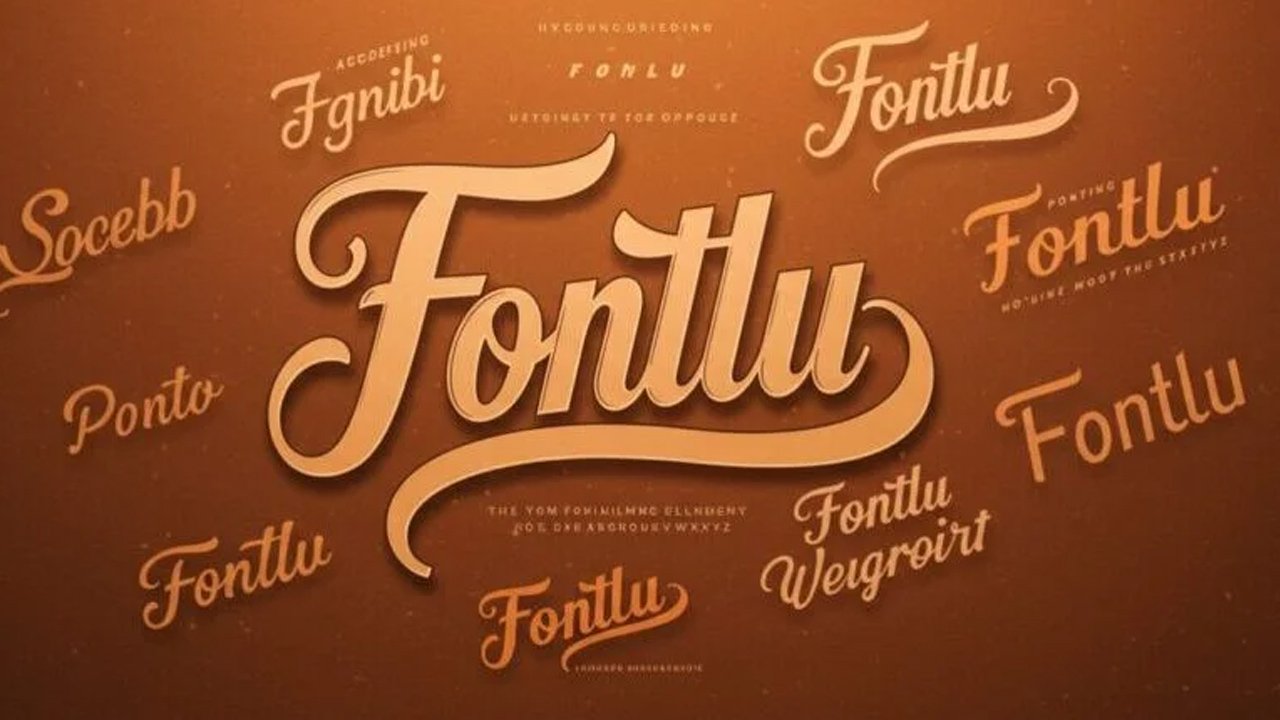
Fontlu is described across a cluster of recently published articles as an emerging concept in typography and digital design, alternately framed as a style of expression, a design philosophy, and “a powerful positive shift in modern typography,” yet none of these pieces identify a specific designer, studio, typeface, or documented origin behind the term. This article covers what the existing content claims, why the confident design-trend framing doesn’t hold up under verification, and how to evaluate a claimed design trend like this before citing or repeating it.
What Do Articles About Fontlu Actually Claim?
The available content frames Fontlu using language typical of genuine design trend journalism, describing it as representing “simple style and expression,” a broader “concept and digital relevance,” and even “the emerging language of digital expression.” Despite this confident, trend-report tone, none of the articles link to an actual typeface, font foundry, design studio, or specific digital product that embodies this claimed trend, nor do they name a specific designer or typographer credited with developing or popularizing it.
This gap, extensive trend-style language with zero concrete, checkable design work behind it, mirrors a pattern seen across many other unverifiable search terms, applied here specifically to the design and typography space.
Does Fontlu Appear in Any Design Industry Reference?
No. The term does not appear in established typography and font foundry databases, design industry publications, or type design award and showcase archives that typically document genuinely influential or trending typefaces and design movements. Legitimate emerging design trends and typefaces, even relatively niche or experimental ones, typically generate coverage from established design publications, discussion within type design communities, or listings on font marketplace and foundry platforms, none of which exist for Fontlu currently.
This absence is particularly notable given how design-focused and specific the claimed subject matter is; genuine typography trends are usually documented quite thoroughly by a design industry that actively tracks and discusses emerging typefaces and stylistic movements.
Why Would Content Be Published About an Undocumented Design Trend?
Publishing trend-report style content around a plausible-sounding but undocumented design concept is a recognizable pattern for capturing search traffic from readers interested in design, typography, and digital expression topics generally. The confident, forward-looking language used, describing something as an “emerging” or “positive shift” in typography, mimics the tone of genuine design journalism closely enough that readers unfamiliar with the actual current state of typography might reasonably assume the trend is real and already gaining traction, when no verifiable evidence supports that framing.
This pattern extends well beyond typography specifically and reflects a broader tendency in manufactured trend content to borrow the stylistic conventions of genuine journalism, confident tone, forward-looking framing, industry-specific vocabulary, without the underlying reporting and verification that legitimate design journalism actually requires.
How Can You Tell a Genuine Design Trend From Manufactured Content?
A genuine emerging design or typography trend typically leaves a verifiable trail: specific typefaces or design examples you can actually view, a credited designer or studio, and coverage or discussion from established design publications or communities that actively track this specific field. When a claimed trend instead generates only generic, example-free explainer content with no visual work to point to and no credited originator, that absence of concrete, checkable substance is the clearest signal that the trend does not currently represent genuine, documented design practice.
Established design publications like It’s Nice That and similar respected outlets that specifically track typography and graphic design trends provide a useful comparison point for what legitimate design trend coverage actually looks like, complete with specific visual examples, credited designers, and genuine industry context.
What Should Designers and Writers Do Before Citing This Term?
Anyone considering referencing Fontlu in professional design writing, a client presentation, or educational material should verify the claim independently first, checking for actual typeface examples, a credited designer, or discussion within recognized type design communities before treating it as an established or citable design concept. Presenting an unverified, undocumented term as a genuine industry trend risks passing along inaccurate information to colleagues, clients, or students who may reasonably trust a confidently written source without independently checking it themselves.
Given the complete absence of any verifiable substance behind the term currently, treating it as unconfirmed rather than citing it as an established typography concept is the appropriate professional standard here.
How Should You Evaluate Design Content Generally?
For any claimed emerging design trend, checking whether established design publications, type foundries, or professional design organizations reference it independently is a reasonable and efficient verification step. The Type Directors Club and comparable professional typography organizations maintain rigorous, juried recognition of genuinely notable typography work, offering a useful reference point for distinguishing real, industry-recognized design achievement from manufactured trend content with no comparable professional recognition behind it.
This verification habit is useful well beyond typography specifically, since manufactured trend content built around plausible-sounding but undocumented concepts shows up across many creative and design fields, not just typography.
What Role Does Curiosity Play in Spreading Unverified Trend Claims?
Design and creative fields attract genuinely curious readers eager to stay current with emerging styles and techniques, a healthy instinct that unfortunately makes this audience particularly susceptible to confidently written but unverified trend claims. Nobody wants to feel behind on a genuinely important shift in their field, and that pressure can make readers less likely to pause and verify a claimed trend before internalizing or repeating it themselves. Recognizing this dynamic in yourself is a useful first step toward applying healthier skepticism the next time an unfamiliar design term shows up presented as something you should already know about, however confidently it’s framed.
Why Does This Matter for the Broader Design Community?
Manufactured design trend content, even when relatively harmless compared to fabricated claims in higher-stakes fields like health or finance, still contributes to a broader erosion of trust in design journalism and educational content when readers can’t easily distinguish between genuinely researched trend reporting and generic, unverified explainer content dressed in similar language. Supporting and citing established, reputable design publications with a track record of genuine reporting, rather than generic content mills, helps maintain the kind of accountable, trustworthy design discourse that benefits designers, students, and the broader creative community over time and across future projects.
What Does Genuine Type Design Journalism Look Like by Comparison?
Legitimate typography and design trend coverage typically walks readers through specific visual examples, side-by-side comparisons of letterforms, spacing, and stylistic choices, alongside direct commentary or interviews with the designers behind the work. This level of concrete, visual specificity is precisely what’s missing from the content describing Fontlu, which relies entirely on abstract descriptive language without ever showing readers what the claimed design trend actually looks like in practice, a gap that becomes obvious as soon as you compare it against genuine design journalism covering a real, documented typography movement.
What’s a Reasonable Response If a Colleague Mentions Fontlu?
If a colleague, client, or student brings up Fontlu as though it were an established design movement, asking them where they encountered it and whether they’ve seen any actual visual examples is a reasonable, low-friction way to gently probe the claim without dismissing their interest outright. In many cases, tracing the claim back to its original source reveals a single generic explainer article rather than any genuine design work, which can be a useful, non-confrontational way to introduce healthy skepticism into the conversation.
Conclusion
Fontlu is described in confident, trend-report language as an emerging typography and design concept, but no credited designer, documented typeface, or design industry recognition supports any of these claims. Designers, writers, and students are better served treating this term as unverified and relying on established, reputable design publications for genuine typography trend coverage rather than repeating claims with no real substance behind them.
Frequently Asked Questions
What is Fontlu?
No verified, documented design trend or typeface could be confirmed. Available content describes it in confident trend-report language, but no specific designer, typeface, studio, or design industry source supports these claims.
Is Fontlu a real typography trend?
No evidence supports this. The term does not appear in type design industry publications, font foundry databases, or design award archives, which a genuinely emerging typography trend would typically be documented within.
Who created the Fontlu design concept?
No specific designer, studio, or organization is credited anywhere in the available content, a significant gap for a term being presented as an established or emerging design movement gaining real traction.
Should I cite Fontlu in professional design work?
Not without independent verification. Given the complete absence of documented design work or industry recognition behind the term, treating it as unconfirmed rather than citing it as established practice is the appropriate professional standard.
How can I verify if a design trend is genuinely real?
Check whether established design publications, type foundries, or professional typography organizations reference it independently, and look for actual visual examples and a credited designer, markers a manufactured trend claim typically cannot provide.


How Does Webinkey.com Work? A Step-by-Step Overview

Afextop Com Explained: What It Is and How It Works

When Water Gets In: First 48 Hour Decisions That Save Walls, Floors, and Sanity

Reroof or Tear Off? Wet Climate Decisions That Make a New Roof Last in Seattle

The Role of Field of View in Camera Installation Planning

What Is Unbanned G+ and How Do People Use It Today?

Who Is Jaisal Andrews? Inside the Life of Naveen Andrews’ Son

Who Is Tanja Rosner? The Untold Life Story of Tate McRae’s Mother

Who Is Saffron Le Bon? The Untold Life Story of Benjamin Compston’s Wife

Who Is Sue Johnston? The Remarkable Life Story of Joel Palmentor’s Mother

Voozon.com Explained: What It Really Is Behind the “Knowledge Platform” Label

Who Is Kerri Browitt Caviezel? The Inspiring Life Story of Jim Caviezel’s Wife
-
 Celebrity2 months ago
Who Is Jaisal Andrews? Inside the Life of Naveen Andrews’ Son
-
 Celebrity2 months ago
Who Is Tanja Rosner? The Untold Life Story of Tate McRae’s Mother
-
 Celebrity2 months ago
Who Is Saffron Le Bon? The Untold Life Story of Benjamin Compston’s Wife
-
 Celebrity2 months ago
Who Is Sue Johnston? The Remarkable Life Story of Joel Palmentor’s Mother
-
 Software1 month ago
Voozon.com Explained: What It Really Is Behind the “Knowledge Platform” Label
-
 Celebrity2 months ago
Who Is Kerri Browitt Caviezel? The Inspiring Life Story of Jim Caviezel’s Wife
-

 Celebrity2 months ago
Who Is Otelia Cox? The Remarkable Life Story of Tony Cox’s Wife
-

 News2 months ago
Money6x.com: What This Personal Finance Platform Offers