Business
How to Choose Furniture Storage in Dubai Without Overpaying

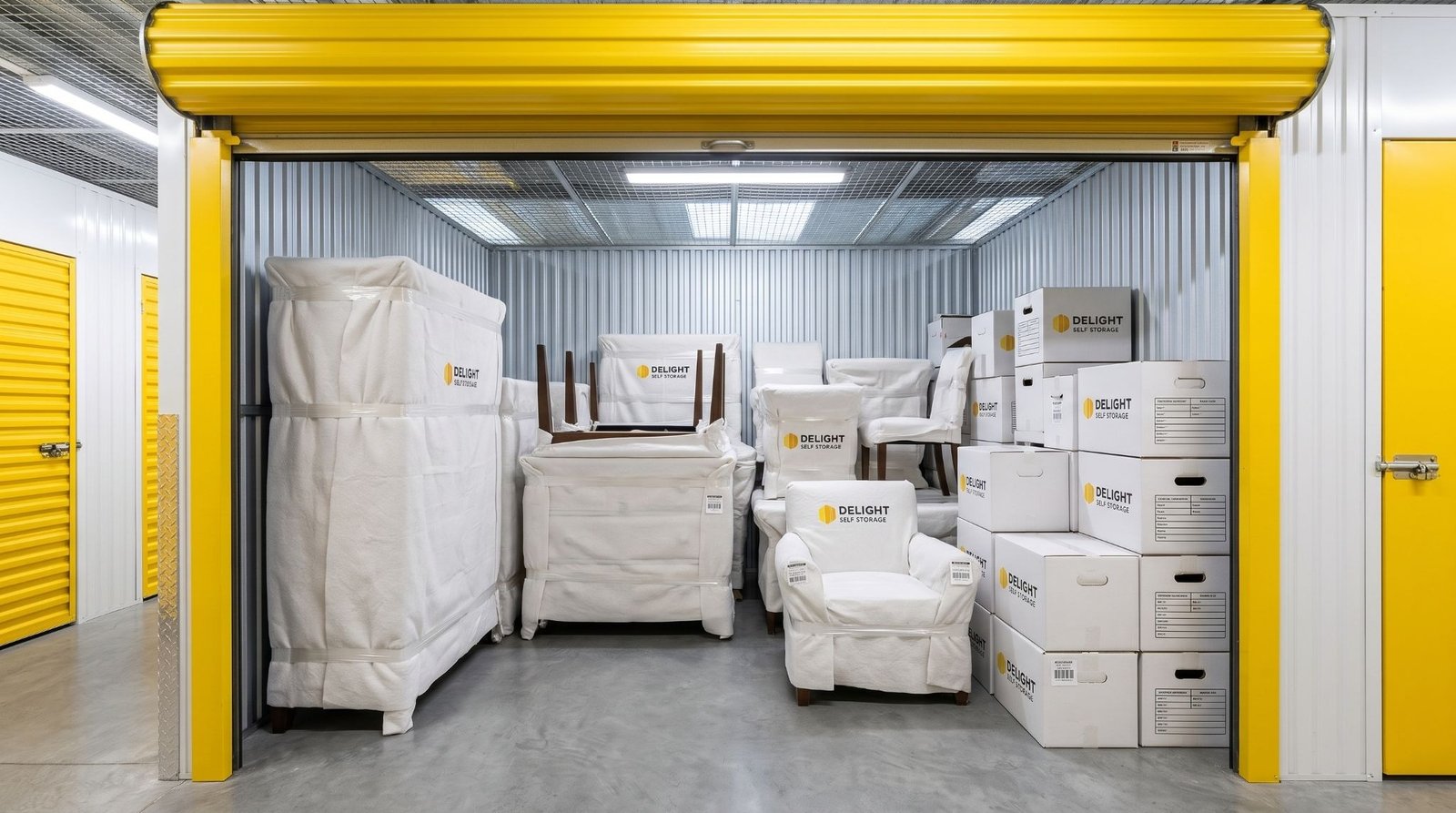
Furniture storage in dubai is a practical solution for anyone caught between homes, renovating, downsizing, or simply running out of space, but it is also an area where it is easy to spend more than necessary. Furniture is bulky, so the space it needs is rarely small, and storage is billed month after month. A few poor decisions at the start, such as choosing a unit that is too large, signing a rigid contract, or overlooking extra charges, can add up to a significant amount over a year. The good news is that most of the common overspending traps are predictable and easy to avoid.
The goal is not to find the cheapest unit in the city. A low price that comes with poor protection can cost far more if it damages furniture you later have to repair or replace. The goal is to pay a fair price for the right amount of protection, no more and no less. When you approach furniture storage in dubai with that mindset, you start asking different questions: how much space do I really need, how long will I store, which pieces are worth storing at all, and which features are essential versus nice to have.
This guide walks through the decisions that influence cost most, from deciding what to store to choosing size, location, contract length, and protection level. It also explains the hidden charges to look for and the mistakes that cost people money. By the end, you should be able to compare options for furniture storage in dubai with confidence and choose a solution that protects your furniture without stretching your budget.
First, Decide Whether Your Furniture Is Worth Storing
The cheapest storage is the storage you do not need. Before renting anything, take an honest look at what you are keeping. Furniture that is old, damaged, or inexpensive to replace may cost more to store over a year than it is worth. On the other hand, quality pieces, sentimental items, or furniture you will need again soon are strong candidates.
A simple rule is to compare the total storage cost for the expected period with the cost of replacing the item. If storing a sofa for a year costs close to what a similar sofa would cost new, selling it may be the smarter choice. If you will need a piece again within a few months, storing it is almost always cheaper than selling and rebuying.
Worth Storing
Solid wood pieces, quality sofas, dining sets, bespoke or designer items, sentimental furniture, and anything you will need again within a year or two.
Consider Selling or Donating
Worn or damaged pieces, cheap flat-pack items, duplicates, and furniture that does not suit your next home. Selling reduces both storage cost and moving effort.
Choose the Right Unit Size and Avoid Paying for Air
Unit size is the biggest controllable cost. Many people overpay because they estimate roughly and choose the next size up to be safe. Every extra square foot you do not use is money wasted every month.
Make a Written Inventory
List every piece of furniture you plan to store, with approximate dimensions. Include boxes and smaller items. This list gives the facility a basis for recommending a realistic size, and it prevents guesswork.
Disassemble Wherever Possible
Beds, tables, wardrobes, and shelving take up far less space when taken apart. Legs can be removed from sofas and tables, and mattresses can be stored upright if the unit allows. Reducing volume this way often lets you drop down a size.
Use Vertical Space
Stacking safely towards the ceiling uses space efficiently. Place heavy items at the bottom, protect surfaces, and avoid putting weight on delicate pieces. Facilities with taller units offer better value for furniture, since you get more usable volume for the same floor area.
Leave a Small Aisle Only if You Need It
If you will not need to access items often, you can pack more tightly. If you plan to retrieve items regularly, leave a narrow walkway so you do not have to unpack everything.
Match the Contract Length to Your Real Timeline
Contract length affects both flexibility and price. Month-to-month arrangements cost more per month but let you leave quickly. Longer commitments usually offer lower monthly rates but carry the risk of paying for time you do not use.
If your timeline is uncertain, such as a move date that might shift, flexibility is worth paying for. If you know you will store for six months or a year, a longer term can save money. In either case, ask about notice periods and any penalties for leaving early, so that a cheaper rate does not become expensive if plans change.
Consider Location Carefully
Facilities in central areas of Dubai tend to cost more than those in outer or industrial zones. If you will visit rarely, an outer location can reduce your monthly cost without changing the protection your furniture receives. If you plan to access your unit often, factor in travel time and the cost of getting there.
Also consider whether you will need help moving furniture in and out. Some facilities offer loading assistance, trolleys, or pick-up and delivery, which can save time and avoid the cost of hiring separate movers for small jobs.
Pay for Protection Where It Matters
Paying less does not mean choosing the lowest protection. Furniture is vulnerable to heat and humidity, and Dubai’s climate can be hard on wood, leather, and upholstery. Cutting corners on climate protection is the most common false economy in furniture storage.
When Climate Control Is Worth It
For wooden furniture, leather sofas, upholstered pieces, mattresses, and anything with veneer or delicate finishes, stable temperature and humidity protect your investment. The cost is usually modest compared with the price of repairing or replacing damaged pieces.
When a Standard Unit May Be Enough
For sturdy items such as metal frames, plastic outdoor furniture, or items stored for a very short time, a standard unit may be acceptable. Be honest about what you are storing and for how long before deciding.
- Ask what temperature and humidity ranges the facility maintains
- Check whether the system operates continuously, not only during staffed hours
- Ask how conditions are monitored
- Inspect the unit if possible, looking for dampness, odours, or heat
Watch Out for Hidden Costs
The advertised monthly price rarely tells the whole story. Before signing, ask for a full written breakdown of what you will pay. Costs that are often missed include the following.
- VAT that is added on top of the quoted price
- Setup, administration, or registration fees
- Deposits and the conditions for getting them back
- Insurance that is mandatory or strongly encouraged
- Charges for access outside standard hours
- Fees for changing unit size
- Penalties for early termination
- Charges for packing materials, locks, or trolleys
Two facilities with identical monthly rates can differ by a large amount once these are included, so compare total cost rather than headline price.
Prepare Furniture Properly to Avoid Costly Damage
Preparation costs very little and protects against damage that would cost much more. Clean and dry every item before storage, since dirt and moisture cause problems in closed spaces. Wrap surfaces in breathable covers such as blankets or sheets rather than sealing wood and leather in plastic. Keep hardware in labelled bags, and place furniture slightly off the floor using pallets or blocks where possible.
Compare Facilities on Value, Not Price Alone
When you have shortlisted a few options, compare them on what you actually receive for the price. Consider unit height and usable space, climate protection, security, access hours, contract terms, and services such as online booking or pick-up and delivery. A slightly higher price that includes better protection and flexibility often turns out cheaper in practice than a bargain that falls short.
Common Mistakes That Lead to Overpaying
- Choosing a unit by guesswork instead of an inventory
- Storing furniture that costs more to keep than to replace
- Signing a long contract without checking exit terms
- Ignoring extra charges beyond the monthly rate
- Sacrificing climate protection to save a small amount
- Paying for a central location when you rarely visit
- Leaving the unit rented long after it is no longer needed
Conclusion
Choosing furniture storage in dubai without overpaying is about spending wisely, not spending least. Decide what is worth storing, size the unit from a real inventory, match the contract to your timeline, choose a sensible location, protect sensitive pieces properly, and check every cost before you sign. Done well, furniture storage in dubai keeps your belongings safe and your budget under control, giving you a solution that is fair, flexible, and genuinely worth what you pay.


How to Choose Furniture Storage in Dubai Without Overpaying

How to Choose White Glove Movers in Dubai for Valuable Belongings

Why More Abu Dhabi Residents Are Turning to Self Storage

CNA vs. Medical Assistant: Pay, Training Time, and Which to Choose First

Double Brokering: How to Spot It and How Software Helps Stop It

Mountain Bike Collection Explained: Choosing the Right Bike for Different Trail Conditions

What Is OpenSkyNews and Who Are Its Two Co-Founders?

Who Is Tanja Rosner? The Untold Life Story of Tate McRae’s Mother

Who Is Jaisal Andrews? Inside the Life of Naveen Andrews’ Son

Who Is Saffron Le Bon? The Untold Life Story of Benjamin Compston’s Wife

Who Is Kerri Browitt Caviezel? The Inspiring Life Story of Jim Caviezel’s Wife

Who Is Otelia Cox? The Remarkable Life Story of Tony Cox’s Wife
-
 Entertainment3 months ago
What Is OpenSkyNews and Who Are Its Two Co-Founders?
-
 Celebrity3 months ago
Who Is Tanja Rosner? The Untold Life Story of Tate McRae’s Mother
-
 Celebrity3 months ago
Who Is Jaisal Andrews? Inside the Life of Naveen Andrews’ Son
-
 Celebrity3 months ago
Who Is Saffron Le Bon? The Untold Life Story of Benjamin Compston’s Wife
-
 Celebrity3 months ago
Who Is Kerri Browitt Caviezel? The Inspiring Life Story of Jim Caviezel’s Wife
-
 Celebrity3 months ago
Who Is Otelia Cox? The Remarkable Life Story of Tony Cox’s Wife
-

 Celebrity3 months ago
Who Is Sue Johnston? The Remarkable Life Story of Joel Palmentor’s Mother
-

 Software2 months ago
Voozon.com Explained: What It Really Is Behind the “Knowledge Platform” Label