Lifestyle
Why Your Garage Door Stops, Reverses, or Won’t Close: A Homeowner’s Diagnostic Guide

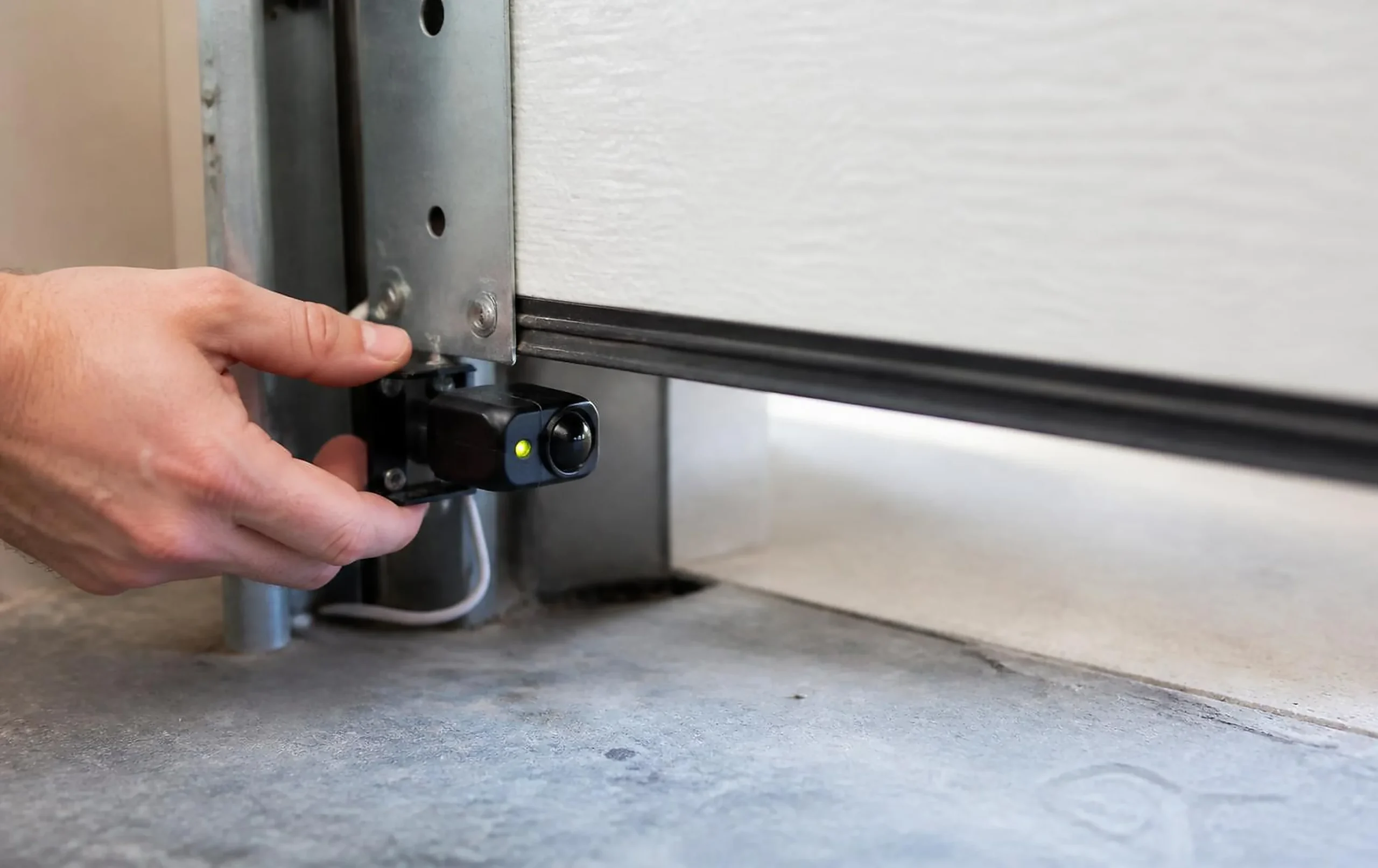
A garage door that hesitates, reverses, or refuses to close is more than an inconvenience. It is a safety system trying to tell you something. Modern openers watch for obstructions, excessive force, and wiring faults, then signal problems with blinking lights, beeps, or sudden reversals. Before replacing parts at random, learn what the common symptoms actually mean. This guide explains how to interpret photo eye sensor errors, diagnose a nonmoving door, correct travel and force issues, and recognize sounds that point to worn rollers, hinges, or springs. It also defines when DIY stops being safe. With a few careful checks, you can decide what to handle now and what requires a trained garage door technician.
- What It Means When the Door Won’t Close but the Light Blinks
If the door opens normally but refuses to close from the remote and the opener light blinks, start with the photo eye sensors near the bottom of the tracks. Dust, spiderwebs, sun glare, or a bumped bracket can break the invisible beam. Wipe both lenses, make sure their LED indicators are solid (not flickering), and adjust the sensor housings until the lights are steady. Try closing the door again. If holding the wall control button makes it close, you have effectively overridden the safety beam, confirming a sensor issue. Persistent blinking after cleaning and alignment can point to damaged sensor wires or a failing opener logic board. In that case, arrange a professional evaluation with Welborn Garage Door Repair of Dallas to check wiring continuity and opener electronics.
- When the Opener Runs but the Door Doesn’t Move
A motor that hums while the door stays put points to a mechanical disconnect or a counterbalance failure. First, check the emergency release: after a power outage or accidental pull, the trolley can disengage from the opener carriage. Reconnect it by aligning the trolley and running the opener until it clicks back in. If the opener strains and the door barely budges, suspect a broken torsion spring (a visible gap in the coil above the door) or a snapped extension spring along the horizontal track. Do not attempt spring replacement; the stored energy in torsion and extension systems can cause severe injury. Another telltale sign is slack cables at the sides or a cable off its drum, which can twist the door out of level and jam the rollers in the tracks. These are technician only repairs.
- Sudden Reversal at the Floor: Limit and Force Checks
When a door closes most of the way and then pops back open, the down travel limit or force sensitivity may be out of specification. Seasonal temperature swings, a new bottom seal, or shifted tracks can change how soon the door meets resistance. If you just replaced the bottom weatherstrip, its thicker profile may cause the door to contact the floor earlier than before, confusing the opener. Consult your opener manual to make a small, precise adjustment to the down limit screw or digital setting, then test. If the door hits the floor firmly or the opener buzzes, stop and back off. Never compensate for binding tracks or a heavy, unbalanced door by raising the force setting. That trade-off might make the door close today but can defeat the safety reverse and damage the opener’s gears. Instead, inspect for debris in the tracks, bent track sections, or rollers that don’t spin freely.
- Noises That Point to Rollers, Hinges, or Springs
Sounds often reveal what sight misses. Grinding or scraping as the door moves suggests misaligned tracks rubbing the door sections or hinge pins worn into oblong holes. Rapid rattling over the track’s radius can come from steel rollers with flat spots; upgrading to nylon rollers often reduces noise and friction. Popping from above the door can indicate a binding torsion spring or a spring nearing the end of its cycle life. Chattering from the opener housing may be a cracked drive gear or a loose chain. Lubrication helps only when applied correctly: use a light silicone spray on rollers (avoid the track tread itself), white lithium grease on hinges and the torsion spring’s coils, and a dry cloth to clean the tracks. A common mistake is slathering grease into the tracks; it attracts grit, increases friction, and makes the rollers skate instead of roll.
Safe Boundaries for DIY vs. When to Call a Technician
Some checks are safe for most homeowners: cleaning and aligning photo eyes, reconnecting a disengaged trolley, removing small debris from tracks, tightening loose hinge screws, and applying the right lubricant. Others should be left alone. Do not loosen set screws on torsion spring cones, adjust extension spring tension, straighten a bent track under load, or recable a door. Warning signs that call for a technician include a visible gap in a torsion spring, frayed or off-drum cables, a door that won’t stay halfway open when disconnected from the opener, scorch marks or smoke from the opener housing, or repeated reversals after minor limit adjustments. A skilled tech will check door balance, spring rate, cable wear, track plumb, opener force calibration, and photo eye voltage in one visit, often preventing a cascade of related failures.
Two quick scenarios help decide your next step. Scenario one: it is 7 a.m., the door won’t close from the remote, and the opener light blinks. You wipe the sensors, rotate a sun-facing sensor a few degrees, the LED goes solid, and the door closes normally. Scenario two: after a thunderstorm and outage, the opener buzzes, but the door won’t rise more than an inch. You find the emergency release cord hanging and the torsion spring showing a clean gap. In this case, don’t force the opener or pull harder; secure the door and call a pro. For routine prevention, test the auto reverse monthly with a 2×4 laid flat under the door, wipe sensor lenses, listen for new noises, and lubricate moving hardware quarterly. These small habits keep safety features responsive and extend the life of springs, rollers, and the opener drive.
<iframe src=”https://www.google.com/maps/embed?pb=!1m18!1m12!1m3!1d3348.8281438557415!2d-96.9176032!3d32.92913849999999!2m3!1f0!2f0!3f0!3m2!1i1024!2i768!4f13.1!3m3!1m2!1s0x864c1d9db8801633%3A0xb3a7772350875dee!2sWelborn%20Garage%20Door%20Repair!5e0!3m2!1sen!2s!4v1785364588963!5m2!1sen!2s” width=”600″ height=”450″ style=”border:0;” allowfullscreen=”” loading=”lazy” referrerpolicy=”strict-origin-when-cross-origin”></iframe>


Who Is Jefferson Salvini Randall? The Amazing Life Story of Tony Randall’s Son

Who Is Melissa Esplana? The Amazing Life Story of Dusty Baker’s Wife

AdsTotally.com Explained: Ad-Network Name, Guest-Post Reality

The Importance of Sun Protection in Children’s Swimwear

BlessingTide.com Explained: From Faith Content to General Interest

Who Is Riley Mandel? The Inspiring Journey of Howie Mandel’s Daughter

Who Is Jaisal Andrews? Inside the Life of Naveen Andrews’ Son

Who Is Saffron Le Bon? The Untold Life Story of Benjamin Compston’s Wife

Who Is Tanja Rosner? The Untold Life Story of Tate McRae’s Mother

Voozon.com Explained: What It Really Is Behind the “Knowledge Platform” Label

Who Is Sue Johnston? The Remarkable Life Story of Joel Palmentor’s Mother

Who Is Kerri Browitt Caviezel? The Inspiring Life Story of Jim Caviezel’s Wife
-
 Celebrity2 months ago
Who Is Jaisal Andrews? Inside the Life of Naveen Andrews’ Son
-
 Celebrity2 months ago
Who Is Saffron Le Bon? The Untold Life Story of Benjamin Compston’s Wife
-
 Celebrity2 months ago
Who Is Tanja Rosner? The Untold Life Story of Tate McRae’s Mother
-
 Software3 weeks ago
Voozon.com Explained: What It Really Is Behind the “Knowledge Platform” Label
-
 Celebrity2 months ago
Who Is Sue Johnston? The Remarkable Life Story of Joel Palmentor’s Mother
-
 Celebrity2 months ago
Who Is Kerri Browitt Caviezel? The Inspiring Life Story of Jim Caviezel’s Wife
-
 Celebrity1 month ago
Who Is Otelia Cox? The Remarkable Life Story of Tony Cox’s Wife
-

 Technology1 month ago
TheSindi Com Explained: What to Verify Before Trusting This Site